7 Mistakes You're Making with At-Home Personal Training (and How to Fix Them)
You've finally committed to working out at home. Maybe you're tired of crowded gyms, or perhaps you're a busy parent who can't spare the commute time. Whatever brought you here, you're not alone, millions of people have discovered the convenience of at-home fitness, especially since 2020 changed how we think about exercise.
But here's what nobody talks about: most people are unknowingly sabotaging their home workout results. After years of bringing professional training directly to clients' homes, I've seen the same patterns emerge over and over again. These aren't small tweaks, they're fundamental mistakes that can derail your progress, cause injury, or leave you feeling frustrated and ready to quit.
The good news? Every single one of these mistakes is completely fixable once you know what to look for.
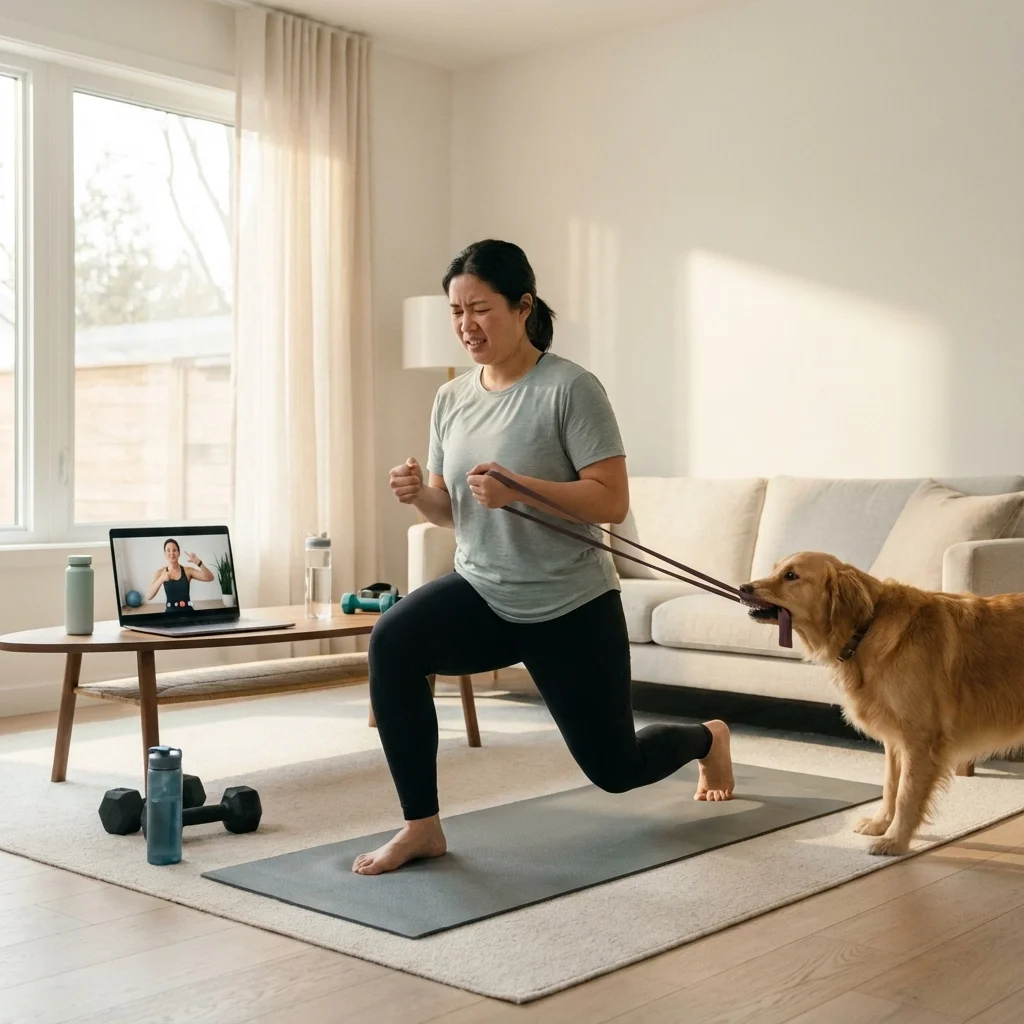
1. You're Skipping the Warm-Up (Because "It's Just a Quick Workout")
This is the mistake I see most often, especially with busy professionals who think they're saving time. You roll out of bed, throw on workout clothes, and dive straight into your routine because you only have 30 minutes before your first meeting.
Why this backfires: Your muscles are literally cold when you wake up. Jumping into squats or push-ups with stiff joints is like trying to stretch a rubber band that's been in the freezer, something's going to snap.
The fix: Dedicate just 3-5 minutes to movement preparation. I'm not talking about boring static stretches. Try arm circles, leg swings, or marching in place while doing arm movements. If you're planning a lower body workout, spend extra time on hip circles and ankle rolls.
Think of it as turning on your body's engine before putting it into drive. Your joints will thank you, and you'll actually perform better during your main workout.
2. Your Form Falls Apart Without Professional Eyes on You
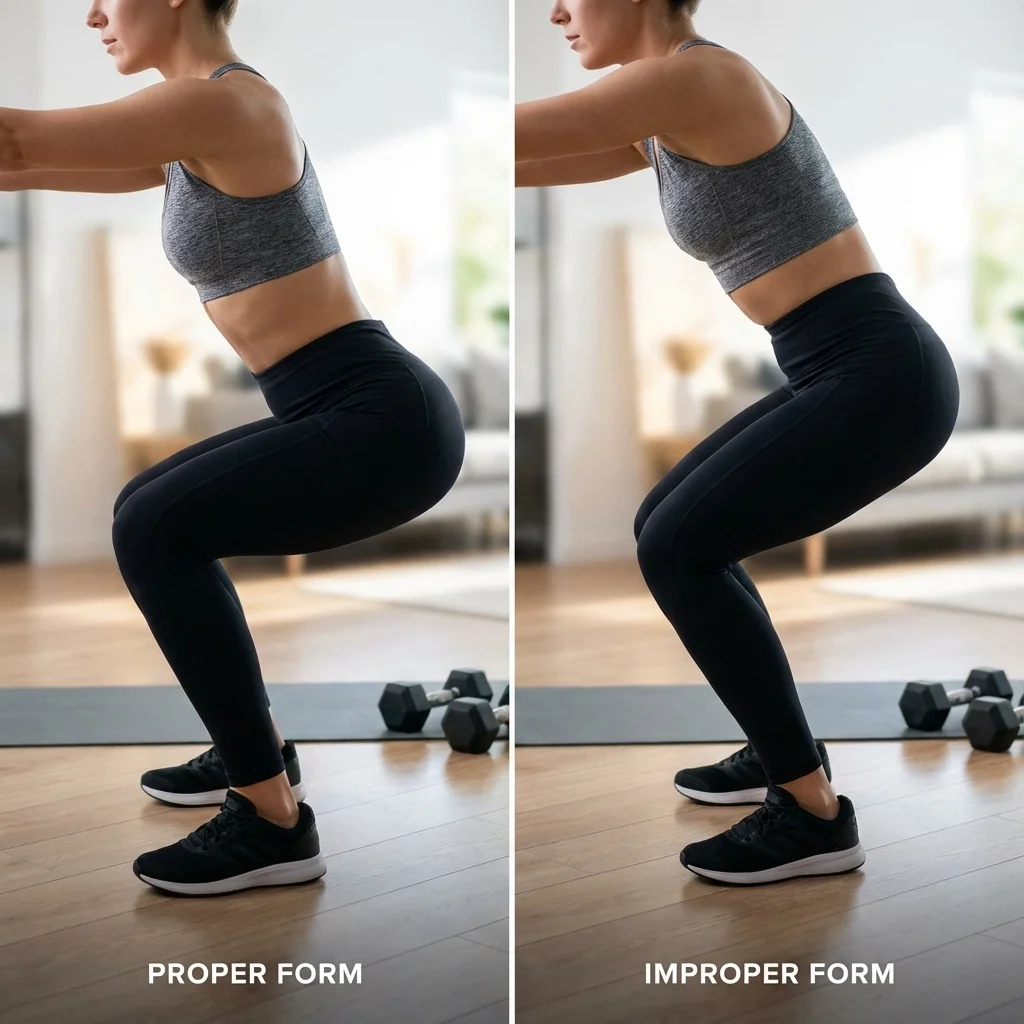
This one hits different when you're alone in your living room. In a gym, you might catch yourself in a mirror or feel self-conscious enough to maintain good posture. At home? All bets are off.
The brutal truth: Poor form doesn't just waste your time, it builds bad movement patterns that become harder to fix the longer you practice them. Those half-squats you've been doing for months? They're actually teaching your body to move incorrectly.
The solution: Video yourself during your first few workouts with any new exercise. I know it feels awkward, but you'll be shocked at what you see. Are your knees caving in during squats? Is your back rounding during deadlifts?
Better yet, consider working with an at-home fitness instructor who can catch these issues in real-time and correct them before they become habits.
3. You're Flying Solo Without Any Accountability System
Let's be honest, motivation hits differently when you're accountable only to yourself. That 6 AM workout seems a lot less important when your bed is warm and no one will know if you skip it.
The isolation effect: Working out alone removes the social pressure and encouragement that naturally happens in group settings. You're more likely to cut workouts short, skip challenging exercises, or give up entirely when things get tough.
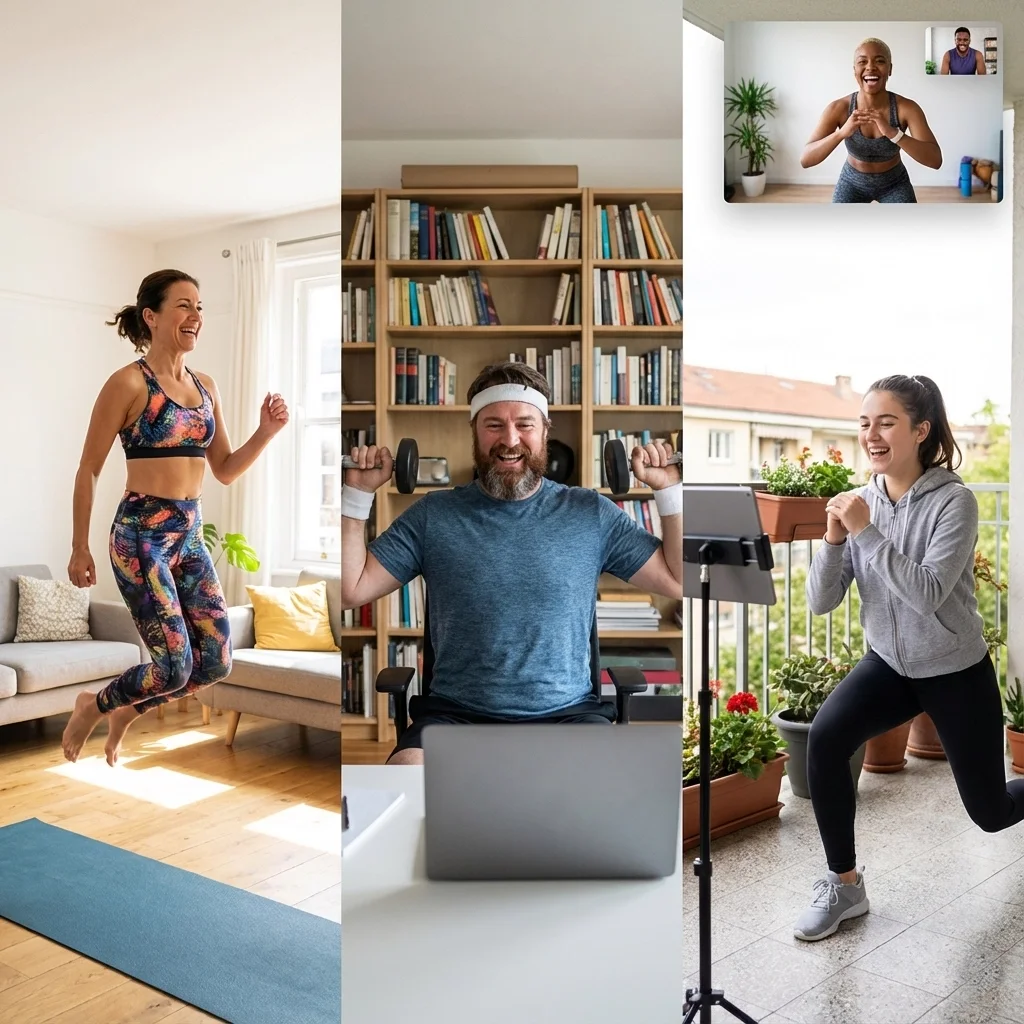
Your accountability upgrade: Find your support system, even if it's virtual. This could mean joining online fitness communities, working out "with" friends over video calls, or booking sessions with a trainer who comes to your space.
The key is creating external accountability that doesn't depend solely on your willpower. Because let's face it, willpower is unreliable on Tuesday mornings when you've had three hours of sleep.
4. Your "Home Gym" is Actually Holding You Back
You thought bodyweight exercises would be enough. And maybe they were, for the first month. But now you're cranking out 50 push-ups and barely feeling it, yet you haven't invested in any equipment to progress further.
The progression problem: Your muscles adapt to the same stimulus incredibly quickly. If you can't continuously challenge them with heavier weights, different angles, or increased resistance, your progress will plateau faster than you think.
Smart equipment investments: You don't need a full gym setup. A few key pieces can transform your workouts:
Resistance bands (multiple resistance levels)
A suspension trainer for bodyweight variety
One set of adjustable dumbbells
A stability ball for core and balance work
These tools allow you to progress systematically instead of just doing more reps of the same easy exercises.
5. You're Stuck in a Groundhog Day Workout Loop
Monday: 20 squats, 15 push-ups, 30-second plank. Tuesday: 20 squats, 15 push-ups, 30-second plank. Wednesday: you get the idea.
Why routine becomes your enemy: Your body is incredibly efficient at adaptation. After just a few weeks of the same movements, you're no longer challenging your muscles, cardiovascular system, or coordination in meaningful ways.
The progression principle: Your workouts should evolve every 2-3 weeks. This doesn't mean completely changing everything, it means strategically advancing the challenge. Add weight, increase reps, change tempo, or introduce new movement patterns.
For example, once you can do 20 perfect push-ups, progress to decline push-ups with your feet elevated, or single-arm push-ups, or push-ups with a resistance band around your back.
6. You're Either Going Too Easy or Burning Yourself Out
This is where at-home training gets tricky. Without external guidance, you either underestimate what your body can handle (hello, comfort zone) or you go full throttle every single day because you think more is always better.
The goldilocks zone: Effective training requires strategic intensity. Some days should push your limits, others should focus on movement quality or active recovery. The magic happens in the balance.
Your intensity guide:
2-3 days per week: High intensity (you're breathing hard, sweating, challenging yourself)
2-3 days per week: Moderate intensity (steady effort, could hold a conversation)
1-2 days per week: Light movement or complete rest
Pay attention to how you feel, not just how hard you think you should work. Persistent fatigue, mood changes, or declining motivation often signal you're overdoing it.
7. You're Treating Your Body Like a Machine Instead of a Complex System
Here's what traditional fitness advice gets wrong: it focuses on the physical movements while completely ignoring the mental and emotional aspects of training. At home, this disconnect becomes even more pronounced.
The missing piece: Your stress levels, sleep quality, nutrition timing, and even your mindset before working out all affect how your body responds to exercise. You might be doing everything "right" physically while completely ignoring these other factors.
The holistic approach: Before each workout, take 30 seconds to check in with yourself. How's your energy? What's your stress level? Are you hydrated? This isn't woo-woo stuff: it's practical information that should influence your workout intensity and focus.
Some days, the best thing you can do is gentle stretching and deep breathing. Other days, you'll feel ready to conquer the world. Both are valid choices when you're listening to your body's signals.
The Path Forward: Making At-Home Training Work for You
Here's what I want you to understand: these mistakes aren't character flaws. They're predictable challenges that come with training independently. The difference between people who succeed long-term and those who give up isn't willpower: it's having the right systems and support in place.
If you're in Birmingham, Franklin, Nashville, or surrounding areas and you're tired of figuring this out alone, consider how personalized in-home training could accelerate your results while helping you avoid these common pitfalls.
But whether you work with a professional or continue on your own, remember this: consistency with good form beats perfection. Start with one mistake from this list. Fix it completely before moving to the next one. Your future self will thank you for taking the time to build these habits correctly from the start.
Your home can absolutely be the place where you achieve your best fitness results. It just requires a slightly different approach than what you might expect. And now that you know what to avoid, you're already ahead of 90% of people trying to make at-home training work.
Ready to take your at-home training to the next level? Explore how HOMEFIT brings professional expertise directly to your space, creating a personalized experience that eliminates guesswork and maximizes your time investment.