Your Fitness Tracker Says You Need a Rest Day. Should You Listen?
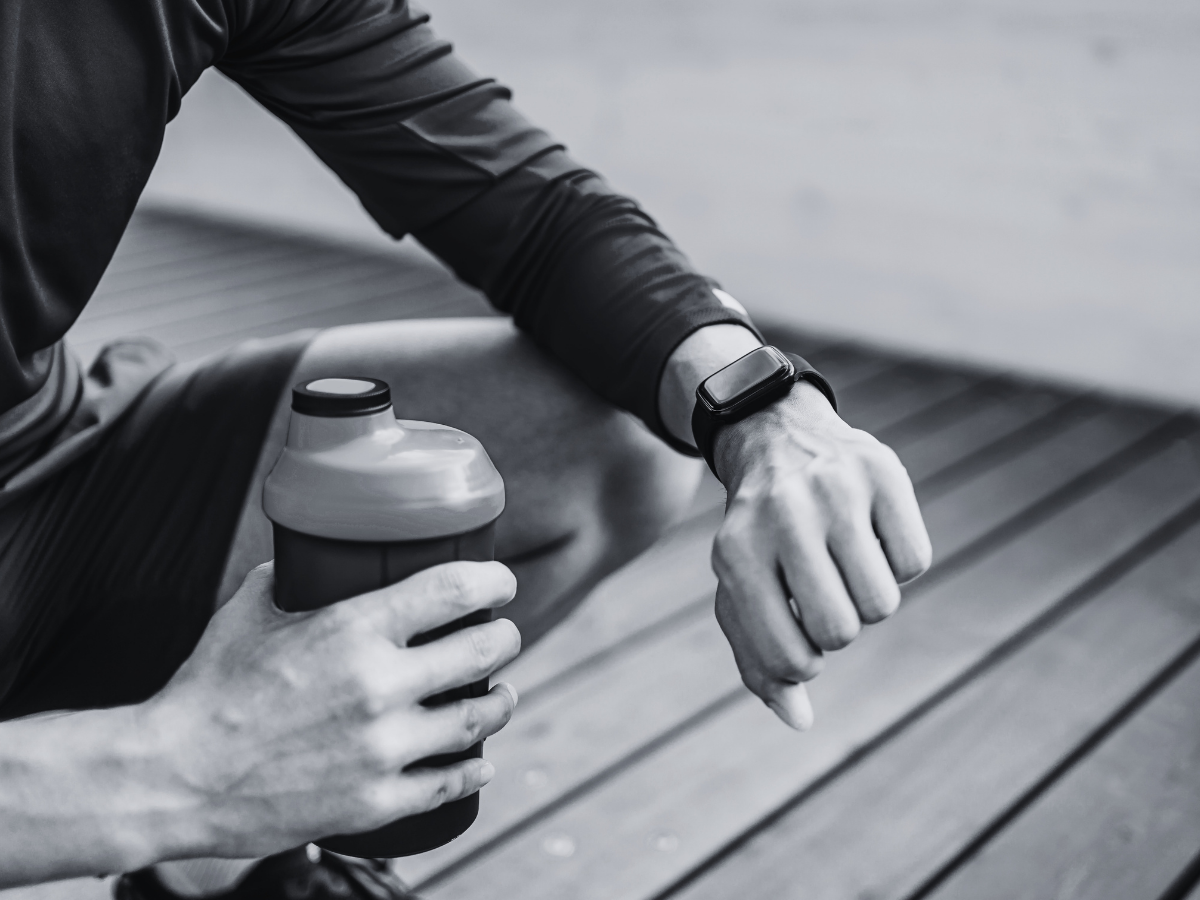
You wake up feeling pretty good, then you look at your smartwatch. Your recovery score is 48, your sleep score was mediocre, and your HRV dropped overnight. Suddenly, the strength workout you planned for this morning feels like a questionable idea.
Fitness trackers, smartwatches, recovery scores, HRV tracking, and wearable fitness technology are changing how people exercise. Devices can now track your heart rate, daily steps, sleep, training load, estimated calories, cardiovascular fitness, heart-rate variability, recovery, and even tell you whether today should be a hard training day.
That is an incredible amount of information sitting on your wrist, but there is one important question: does your fitness tracker actually know what workout you should do today?
Not always. Wearable fitness data can be incredibly helpful, but those numbers become much more useful when they are combined with good training, real-world context, and a personalized workout plan.
Why Wearable Fitness Technology Is Everywhere
Fitness trackers have moved far beyond counting steps. Today, smartwatches and wearable fitness devices can monitor dozens of metrics related to exercise, recovery, sleep, and cardiovascular fitness.
Depending on your device, you may be tracking:
Daily steps
Resting heart rate
Workout heart rate
Heart-rate variability
Sleep duration
Sleep quality
Training load
Estimated VO2 max
Recovery score
Readiness score
Calories burned
Exercise minutes
Stress levels
For people interested in fitness, having access to this much data can be fascinating and motivating. It can also become overwhelming if you start allowing every number on your screen to determine how you think you should feel.
Instead of asking, “How does my body feel today?” it can become easy to ask, “What does my watch say I should feel today?” Those are not always the same thing.
What Is a Fitness Recovery Score?
A fitness recovery score or readiness score is an estimate designed to help you understand how prepared your body may be for physical activity.
Different fitness trackers calculate recovery differently, but they may consider factors such as heart-rate variability, resting heart rate, sleep, recent workouts, training intensity, activity levels, respiratory rate, stress, and body temperature trends.
These measurements can reveal useful patterns over time, but a recovery score is still an estimate based on the information your device can collect.
Your smartwatch does not necessarily know that your knee feels strange today. It does not know that you spent six hours driving yesterday or that you have been unusually stressed at work. It also cannot stand beside you during a strength workout and notice when your form starts changing.
That is why wearable data is most useful when treated as information rather than an instruction.

What Is HRV and Why Does Everyone Talk About It?
Heart-rate variability, or HRV, has become one of the most popular fitness recovery metrics. HRV measures the variation in time between individual heartbeats and can change based on factors such as training, sleep, stress, illness, alcohol, travel, and recovery.
One of the most important things to understand about HRV is that the number is highly individual. Comparing your HRV with someone else's usually does not tell you very much.
Your own trends matter more. If your HRV consistently changes alongside poor sleep, increased training volume, illness, or higher stress, that pattern may help you understand how your body responds.
The mistake is treating one low HRV reading like a crisis. Fitness data is usually most valuable when you look for patterns over time rather than reacting to one isolated number.
Should You Skip Your Workout When Your Recovery Score Is Low?
Not automatically.
This is one of the biggest misunderstandings surrounding fitness trackers. A low recovery score does not always mean you need a complete rest day because there are many ways to adjust a workout.
Your personal trainer might reduce the weight, decrease the number of sets, change certain exercises, extend your warm-up, focus on mobility, reduce cardiovascular intensity, practice technique, or complete an easier full-body workout.
Fitness is not divided into only two categories: go as hard as possible or do absolutely nothing. There is a huge amount of space in between.
Knowing how to adjust a workout based on your recovery, goals, training history, movement quality, and how you actually feel is where individualized programming becomes especially valuable.
Your Smartwatch Cannot See Your Squat
This may be the biggest limitation of wearable fitness technology.
Your watch can collect an impressive amount of data, but it cannot stand next to you during a squat and notice your knee collapsing inward. It cannot see that your deadlift form changed during the final two repetitions or tell that the dumbbells you have used for six weeks are no longer challenging enough.
It also does not fully understand why you are exercising. Maybe you want to be stronger, train for a hiking trip, improve your balance as you age, lose weight, keep up with your children, or simply make everyday activities feel easier.
Your fitness tracker collects information. Your personal trainer creates a fitness plan around the person wearing it.
Your Step Count Does Not Tell the Entire Story
Step tracking is one of the most useful features on many fitness trackers because it can make your daily movement more visible. If you work at a desk all day, seeing that you only walked 2,500 steps might motivate you to take an evening walk.
That is useful information, but a high step count does not mean you have completed every type of exercise your body needs.
Walking provides many benefits, but it does not replace strength training, balance work, mobility exercises, progressive resistance training, or intentional cardiovascular conditioning.
Someone who consistently walks 10,000 steps per day may still benefit tremendously from two or three strength workouts each week. Fitness is much bigger than one metric.

Your Calorie Burn Is an Estimate
Your smartwatch may tell you that you burned 532 calories during your workout, and that number can feel incredibly precise. It is still an estimate.
Wearable devices use available data and algorithms to estimate energy expenditure. Individual results can vary based on body composition, movement type, device placement, heart rate, and other factors.
This does not make your fitness tracker useless. It simply means you probably should not design your entire fitness or nutrition strategy around the exact calorie number shown after a workout.
Instead, look at larger signs of progress. Are you becoming stronger? Can you walk farther without getting tired? Are you lifting heavier weights? Is your balance improving? Are everyday activities becoming easier? Are you exercising more consistently?
Those changes can tell you much more about your fitness than one calorie estimate.
What About Your Sleep Score?
Sleep tracking is another area where fitness trackers can provide useful insight. You may notice that you consistently sleep worse after drinking alcohol, that your sleep duration drops when you work late, or that workouts feel significantly harder after several nights of poor sleep.
Those patterns can help guide smarter training decisions.
However, there is also a point where tracking everything can become counterproductive. If you wake up feeling rested but your watch gives you a disappointing sleep score, you do not need to immediately decide that your entire day or workout is ruined.
Use the number as information, then combine it with how you actually feel.
Fitness Recovery Is Part of Smart Training
The old-school mentality around fitness was often simple: work harder, then work harder again. Modern training has become much more thoughtful about recovery.
Your body needs time to adapt to exercise, but recovery does not always mean sitting on the couch. It may include walking, mobility work, stretching, low-intensity cardio, easier strength training, reduced workout volume, better sleep, hydration, or an intentional rest day.
The goal of a workout program is not to make every day as difficult as possible. It is to provide enough challenge to create adaptation while allowing enough recovery to continue progressing.
That balance is one reason working with a certified personal trainer can be so helpful.
When Fitness Data Becomes Truly Useful
The best fitness data helps you make a decision.
Maybe you notice your resting heart rate has been elevated for several days while your workouts also feel much harder than usual. That pattern may be worth paying attention to.
Or perhaps your heart rate now stays lower during a walk that used to feel difficult. That could be one sign that your cardiovascular fitness is improving.
Maybe your trainer notices that your workout performance consistently drops after several intense training sessions in a row. That information can help shape the following week of training.
Collecting data is not the goal. Making better decisions with it is.
Personal Training Adds the Context Your Watch Cannot
A smartwatch sees today's numbers. Your trainer sees the bigger picture.
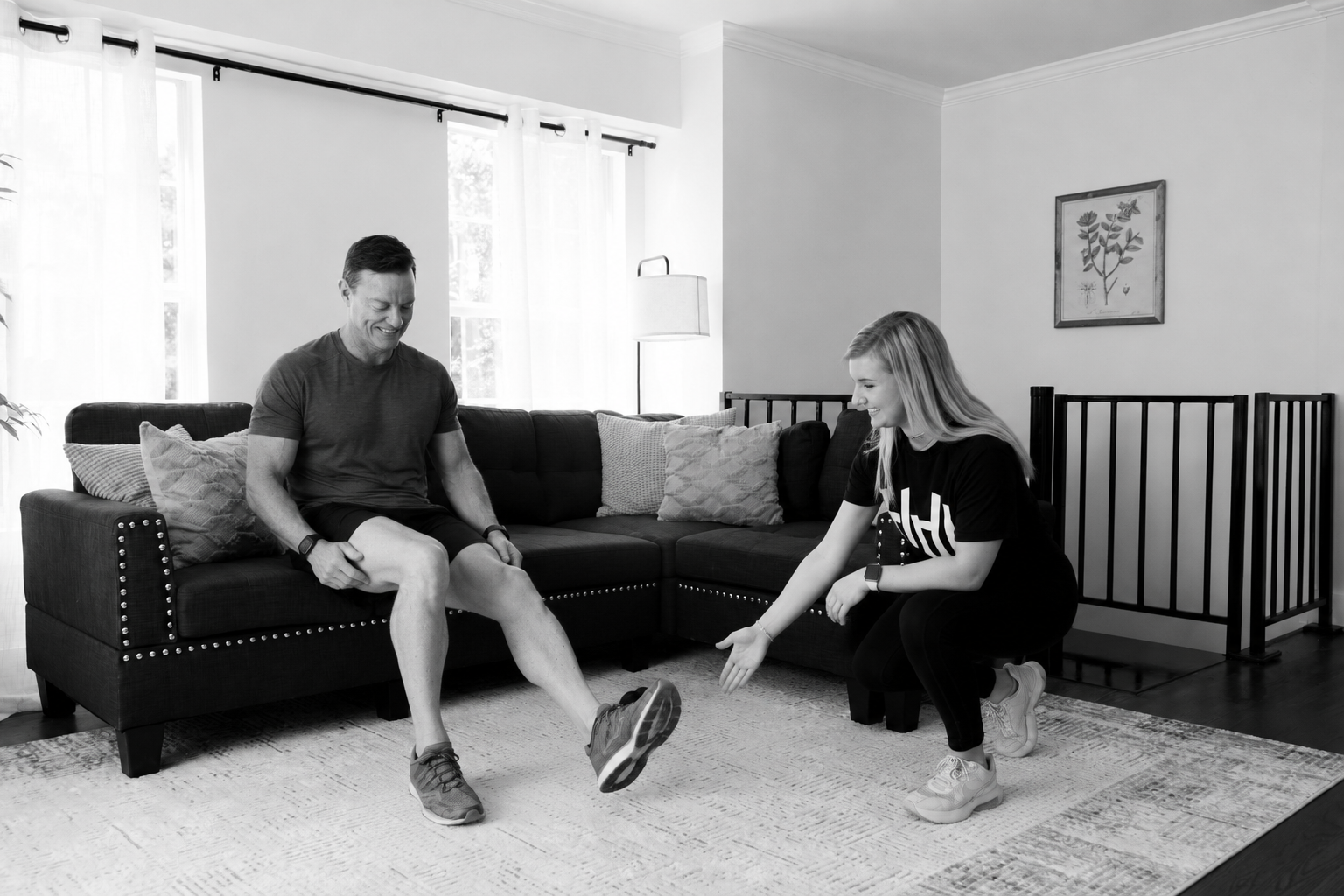
They know what exercises you completed earlier in the week, how much weight you lifted, which movements are improving, what your goals are, and where your form may need improvement. They can also ask questions your watch cannot answer.
How does your body feel today? Did anything hurt after your last workout? How was your sleep? Have you been traveling? Has work been stressful? Do you feel ready to train?
That information can then be combined with your wearable fitness data to make smarter training decisions.
Technology and personal training do not have to compete. Used correctly, they can complement each other extremely well.
Do Not Wait for the Perfect Recovery Score
Fitness trackers can accidentally create another problem: waiting for perfect conditions.
The perfect sleep score, perfect recovery score, perfect energy level, and perfect workout schedule rarely arrive at the same time. Real life simply does not work that way.
A sustainable fitness routine needs to work on normal Tuesdays too. Sometimes that means completing your planned strength workout. Other times it means reducing the intensity, going for a walk, or focusing on mobility and recovery instead.
Being able to adjust your workout without completely abandoning your routine is one of the most valuable fitness skills you can develop.
Use Your Fitness Tracker as a Tool, Not Your Coach
Fitness technology is only going to become more advanced. Smartwatches will continue collecting more information and offering more detailed recommendations, and that can be incredibly useful.
But wearable data works best when it supports your fitness plan rather than controlling it.
Use your smartwatch to identify trends, understand your habits, and track progress that actually matters to you. Then combine that information with professional coaching, progressive strength training, recovery, and how your body actually feels.
Because the smartest fitness routine is not the one collecting the most data. It is the one making the best decisions with it.
Your Watch Gives You Numbers. HOMEFIT Gives You a Plan.
You can track your HRV, sleep score, recovery, steps, calories, and heart rate every single day, but none of those numbers can replace a workout plan designed specifically for your goals.
HOMEFIT brings certified in-home personal training directly to you, with workouts built around your fitness level, goals, schedule, movement quality, available equipment, recovery, and progress over time.
Whether you want to lose weight, build muscle, improve cardiovascular fitness, move better, increase your energy, stay strong as you age, or simply stop wondering what workout you should do next, your HOMEFIT trainer takes the guesswork out of the process.
Your watch can tell you what happened yesterday.
HOMEFIT helps you decide what to do next.