Have you ever finished a training session and thought, I could build something bigger than this?
Maybe you're a personal trainer ready to move beyond a full schedule of one-on-one sessions. Maybe you're an entrepreneur who loves health and wellness and sees an opportunity to bring a more convenient fitness experience to your community. Either way, starting a personal training business can be exciting—and the choices you make early on matter.
In 2027, you don't necessarily need a gym to build a fitness business. You do need a clear business model, a plan to attract clients, reliable systems, and an understanding of how you'll grow. One of the first decisions is whether to start independently or explore a personal training franchise.
Let's break down both paths.
1. Decide What Kind of Personal Training Business You Want to Build
“Starting a personal training business” can mean very different things. You could rent space at a studio, operate a private training facility, offer virtual coaching, or bring training directly to clients at home or at work.
Start with the experience you want to deliver and the people you want to serve. Are you focused on busy professionals, older adults, beginners, families, or another community? What problem will your service solve? Convenience, personalized attention, accountability, and flexibility can matter just as much to clients as the workout itself.
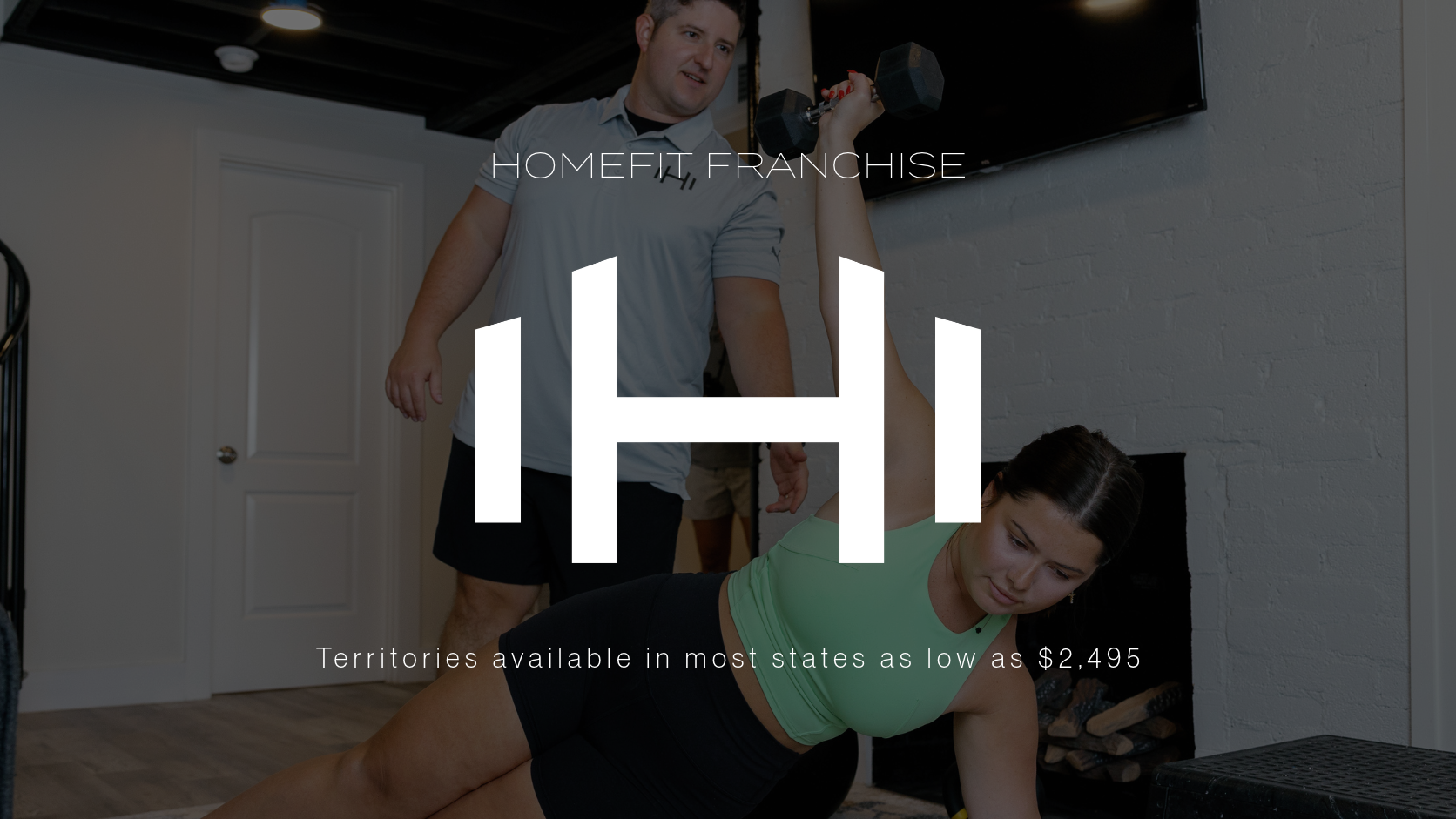
HOMEFIT is built around a mobile, concierge-style model: personal training that meets people in their homes, offices, and other convenient settings. Rather than depending on a large gym location, the business is designed around bringing coaching to the client.
2. Research Your Local Market Before You Invest
Even a great idea needs a market. Look at who lives and works in your area, which fitness services already exist, what potential clients value, and how far trainers would need to travel between appointments.
Ask questions such as:
Who is the ideal client, and what would make them choose your service?
What are local competitors offering, and how are they priced?
Which neighborhoods or business districts make sense to serve?
How will you reach your first clients—and keep them coming back?
This research should shape your pricing, service area, and marketing strategy before launch. The U.S. Small Business Administration offers market-research and business-planning resources for new owners.
3. Understand the Costs of Starting a Personal Training Business
Startup costs depend on the model. A facility-based business may involve a lease, buildout, utilities, and substantial equipment. An independent mobile training business may avoid many of those facility expenses but still has costs: insurance, equipment, transportation, software, marketing, professional services, and working capital.
Franchising adds a different set of considerations, including the initial investment and ongoing fees disclosed by the franchisor. In exchange, a franchise may provide a brand, operating systems, training, and support. Compare the total cost of operating each model, not just the price of getting started.
HOMEFIT's model is designed to operate without a large retail location and with minimal equipment requirements. That can reduce some facility-related expenses, but it does not eliminate the ordinary costs and risks of running a business. For actual investment details, request HOMEFIT's franchise information and review its current Franchise Disclosure Document.
4. Choose Your Path: Independent Business or Fitness Franchise?
There isn't one right answer for every entrepreneur. The best fit depends on how much flexibility you want, what support you need, and how you prefer to build.
Starting independently
When you start your own personal training business from scratch, you control the name, brand, services, pricing, and systems. You can build an experience entirely around your vision.
But you also develop the business behind the sessions: your website, client inquiry process, scheduling, marketing, hiring, onboarding, and day-to-day operations. For someone who loves training but hasn't managed a growing business, that can be a steep learning curve.
Buying a personal training franchise
A franchise offers the opportunity to operate under an established brand and business framework. Depending on the franchise, that can include training, operational resources, marketing assistance, and guidance with recruiting. Franchise owners still manage their businesses, serve their markets, and take on financial risk; they also follow the brand's operating requirements and pay applicable fees.
The key question isn't simply Which is cheaper? It's Which path gives me the right combination of independence, structure, support, and growth potential?
5. Plan How You'll Find Clients and Build a Team
The work doesn't stop when you earn a certification or launch a website. A sustainable personal training business needs an ongoing plan for inquiries, consultations, scheduling, client experience, and retention.
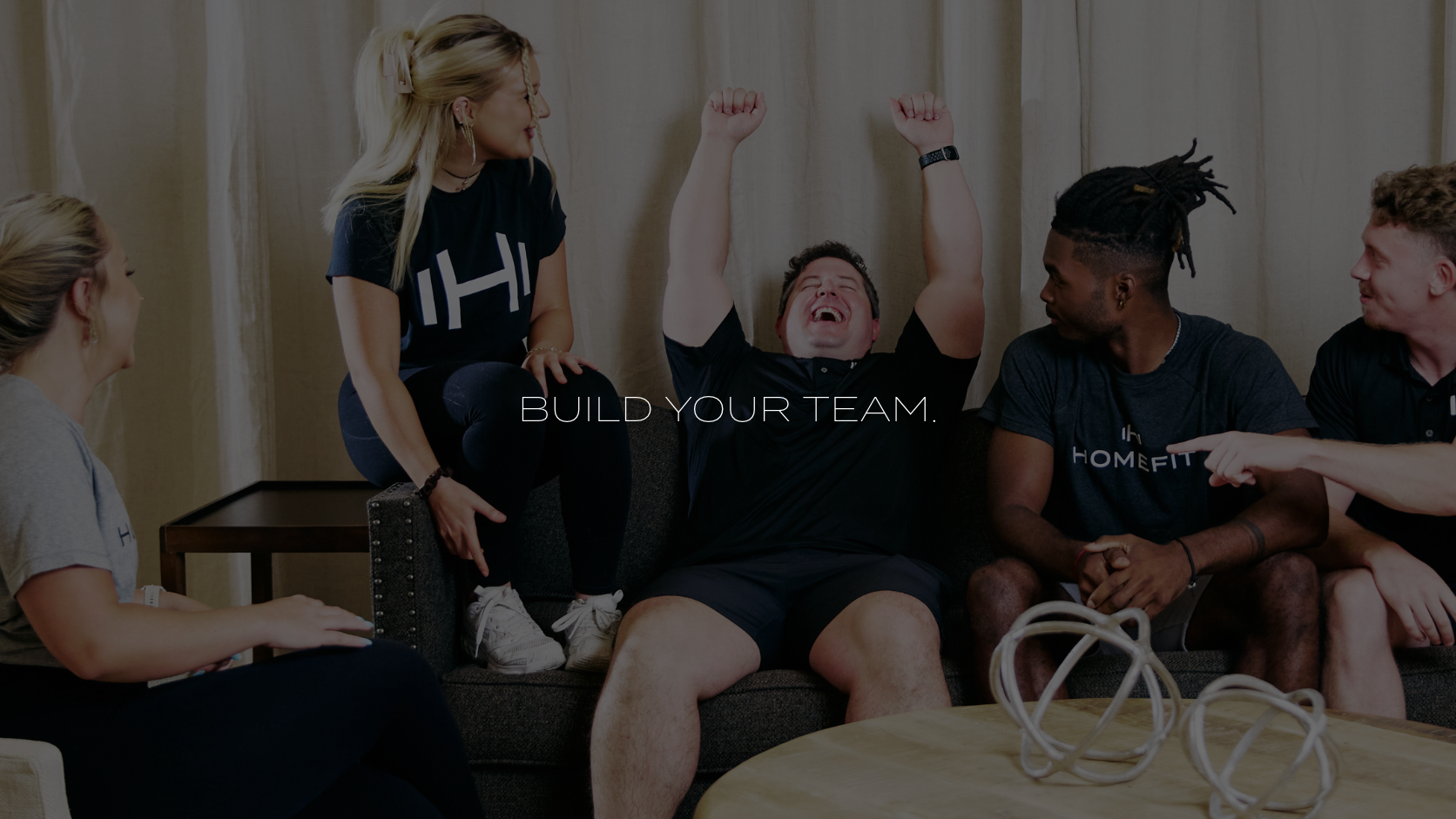
As you grow, hiring and supporting great trainers becomes just as important. You'll need a way to recruit, onboard, communicate with, and schedule your team while maintaining a consistent standard of service.
This is where HOMEFIT's franchise support becomes particularly relevant. Its franchise offering describes:
Franchise training: Guidance to help owners prepare to launch and operate.
Business development systems: Tools such as automated funnels, email and text marketing, and proposals.
Recruiting assistance: Systems to find, hire, onboard, and train a network of trainers.
Digital marketing support: Assistance with social media, Google, and content creation.
These resources do not guarantee clients or revenue. They give prospective owners a clearer picture of the operational framework available as they build their local business.
Explore the HOMEFIT franchise model to learn more about the support and ownership process.
6. Think Beyond Your First Client
There is a difference between creating a job for yourself and building a business that can eventually serve more people than you can personally train. Both are valid goals—but they require different plans.
If your ambition is to grow a team, think early about how you'll maintain service quality, manage schedules, and expand into nearby neighborhoods. HOMEFIT describes a flexible growth model in which franchise owners can start lean and build their teams at their own pace, rather than taking on a large-scale facility from day one.
For someone who enjoys fitness and building relationships, leading people, and developing a local business, that can be a compelling direction to explore.
7. Do Your Homework Before Choosing a Franchise
Interested in a fitness franchise? Treat the decision like any major business investment. Ask about the initial investment, ongoing fees, territory boundaries, training, operating responsibilities, and the support you'll actually receive. Speak with current and former franchise owners where possible, and review your financial assumptions with qualified advisers.
The Federal Trade Commission's guide to buying a franchise explains the Franchise Disclosure Document (FDD) and the questions prospective franchisees should ask. Under the federal Franchise Rule, the FDD generally must be provided at least 14 days before signing or payment to the franchisor or its affiliate.
This research helps you decide whether the opportunity fits your goals, finances, and market—not just whether you like the brand.

Ready to Explore a Different Way to Own a Fitness Business?
Building a personal training business in 2027 doesn't have to begin with opening a gym. It begins with understanding your market, choosing a model, and creating an experience people want to return to.
If you're a fitness professional ready to grow beyond your own client schedule—or an entrepreneur who wants to bring personalized fitness to your community—HOMEFIT offers a mobile personal training franchise model built around convenience, local relationships, and intentional growth.
See available HOMEFIT franchise territories and request the HOMEFIT Owner's Overview to explore the next step.