Your Sanctuary, Your Strength: The High-Performance Path to Mental Clarity

It’s May 2026, and the landscape of wellness has shifted beneath our feet. For decades, the fitness industry was obsessed with the mirror: how sharp your abs looked or how much weight you could move on a rack. But as we step into Mental Health Awareness Month this year, we’re witnessing a powerful evolution. At HOMEFIT, we call it the Mental Health Fitness Approach.
If you’re a busy professional in Nashville or a parent juggling schedules in Birmingham, you’ve likely felt it: that heavy fog of a long week where the thought of "hitting the gym" feels less like a release and more like another chore on an overstuffed to-do list. We’ve known for years that exercise helps the body, but what we’re finally prioritizing in 2026 is that your next workout actually starts in your mind.
True fitness is no longer just about the physical reps; it’s about the mental resilience, the cortisol regulation, and the cognitive clarity that comes when you treat your brain with the same respect you give your biceps.
1. The Shift: From "Looking Good" to "Feeling Sane"
In the past, people looked at mental health and physical fitness as two separate silos. You went to a therapist for your mind and a gym for your body. This evolution has dismantled that wall. Today, holistic health is the gold standard. We understand that a high-stress brain cannot produce a high-performing body.
When your brain and body are aligned: rather than wrestling with each other: you become more present, more effective, and frankly, a lot happier. This is why our in home personal training programs are designed to address the nervous system just as much as the muscular system. If you’re entering a workout while mentally red-lining, a "no pain, no gain" approach will actually do more harm than good. You need a strategy that meets your mental state where it is today.
2. The 15-Minute Rule: Move for Mental Health
The research is no longer up for debate. Recent studies have highlighted that just 15 minutes of moderate-to-vigorous physical activity a day can significantly reduce the risk of major depression. That’s it. You don’t need a grueling 90-minute session at a crowded club in Cool Springs to see the benefits.
Consistency beats intensity every single time when it comes to the mind. The goal of the "Move for Mental Health" initiative is to lower the barrier to entry. When you work with a fitness trainer at home, those 15 or 30 minutes become a non-negotiable sanctuary. By eliminating the commute and the "gym performance" anxiety, you’re able to tap into the endorphin-serotonin loop much faster.
3. The Concierge Advantage: Removing the Friction of Stress
Why does personal training at home work so well for mental health? Because it removes the friction.
Think about the traditional gym experience:
Packing a bag.
Fighting traffic on I-65 or Highway 280.
Searching for a parking spot.
Dealing with crowds and loud music.
Worrying about who’s watching you.
By the time you’ve actually started your first set, your cortisol (the stress hormone) is already spiked. For a busy executive or a parent in Hoover, that’s not "wellness": that’s an added layer of anxiety.
The HOMEFIT concierge model brings the elite trainer to you. Whether it's your living room in Franklin or your patio in Georgetown, your environment is controlled, private, and safe. This "luxury wellness" approach isn't just about convenience; it’s about protecting your peace. You can read more about how this environment affects your progress in our guide on why your workout environment matters.

4. The Pillars of Mental Health Fitness
To truly embrace this approach, we have to look beyond the dumbbells. At HOMEFIT, our elite trainers focus on four key pillars that comprise "Mental Health Fitness":
Mindful Movement: Using exercise to anchor yourself in the present moment, rather than ruminating on work emails or family stress.
Restorative Sleep: We help you understand how your daily activity levels dictate your "Deep Sleep" and "REM" cycles.
Brain-First Nutrition: Eating for stable blood sugar and neurotransmitter health, not just calorie counting.
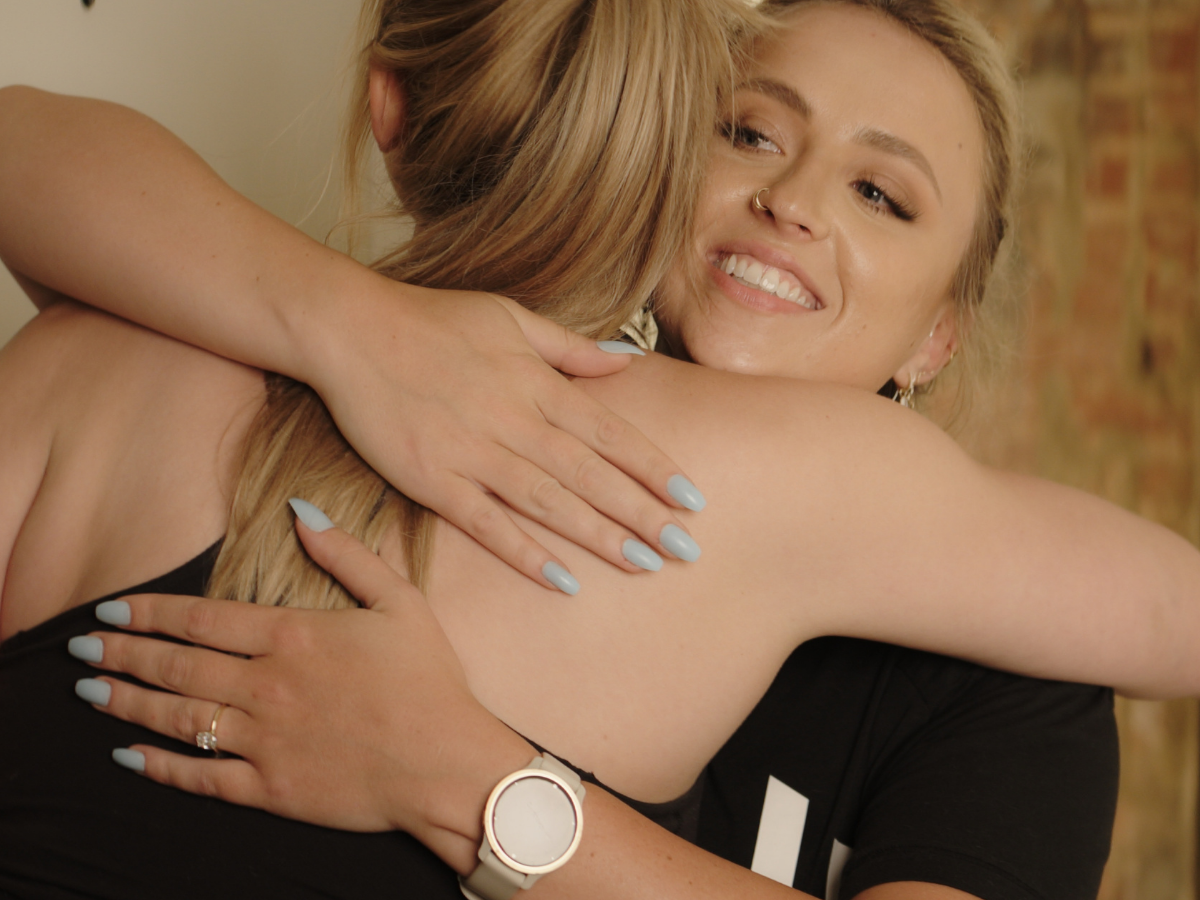
Human Connection: The social bond between you and your trainer is often the most underrated part of the process.
In 2026, we’ve integrated AI and wearables to track these metrics, but the human coach is the one who interprets that data with empathy and nuance.
5. Connection as a Catalyst
We’ve seen it time and again: the clients who see the biggest shift in their mental well-being aren't the ones with the most expensive equipment: they’re the ones who have the strongest connection with their trainer.
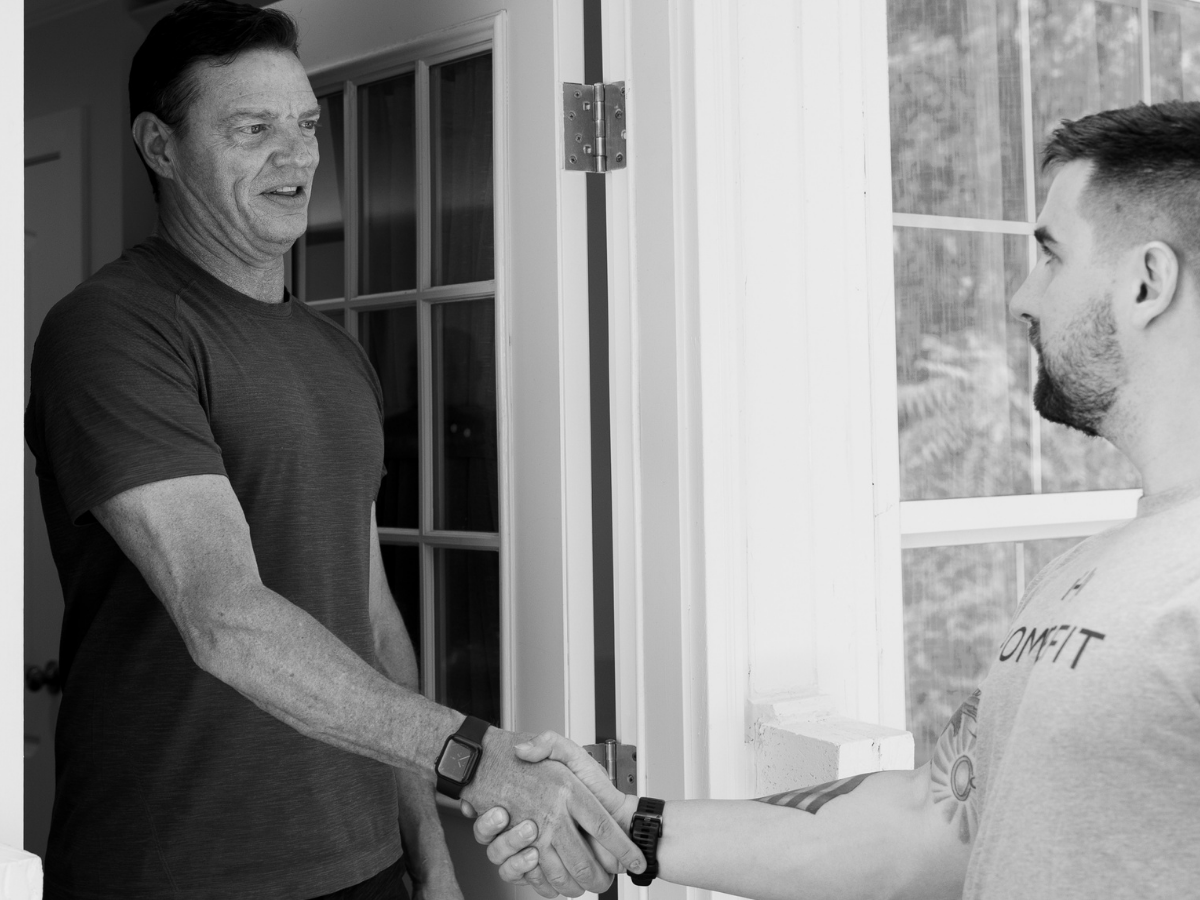
Loneliness is a quiet epidemic, even for those with "busy" lives. Having an elite professional show up at your door, look you in the eye, and ask, "How are we actually doing today?" provides a level of accountability and social connection that an app or a generic group class can't replicate. It’s about being seen and heard.

6. Overcoming the "All-or-Nothing" Trap
One of the biggest hurdles to mental health fitness is the "all-or-nothing" mindset. We’ve been conditioned to think that if we can't give 100%, we shouldn't show up at all.
In this approach, we reject that. Some days, your "100%" is just a 15-minute stretch and some deep breathing. And that is still a win. Our trainers are experts at "pivoting." If you’ve had a traumatic day at the office or your kids are keeping you up at night, we don't force a high-intensity interval session. We might switch to private yoga sessions or functional mobility.
The goal is to leave the session feeling better than when you started: not more exhausted.
7. Local Focus: Why Our Community Needs This Now
Whether you’re a mom in Mountain Brook trying to find a moment of peace, or a professional in Downtown Nashville managing a high-stakes career, the pressure is real. We’ve noticed a significant uptick in Birmingham moms choosing concierge fitness specifically because of the mental health benefits.
This movement is about reclaiming your time and your headspace. It’s about realizing that you cannot pour from an empty cup. When you invest in a personal trainer at home, you aren't just buying a workout; you're buying a mental insurance policy.
Your Next Steps: Start Where You Are
You don’t need a perfectly outfitted home gym to start. You don’t even need to be in a "good mood" to start. In fact, the best time to start is when you feel like you have the least to give.
This approach isn't about perfection; it's about presence.
Are you ready to change the way you think about fitness?
If you’re in the Birmingham or Nashville areas, let’s talk about how we can bring this approach to your doorstep.
Schedule a Consultation: We’ll discuss your physical goals and your mental health priorities.
Meet Your Elite Trainer: We’ll match you with a coach who understands the nuances of your lifestyle.
Experience the Difference: See what happens when your workout finally starts in the mind.