Your Blood Sugar Has a Secret Weapon: Your Own Muscles
Blood sugar management can begin to feel like a full-time job. You think about carbohydrates, meal timing, medications, glucose readings, sleep, stress, and whether one unexpected choice will send your numbers in the wrong direction.
Those factors matter, but there is another important part of the conversation that often receives less attention: your muscles.
Your skeletal muscles do much more than help you climb stairs, carry groceries, play with your children, or move through your day. They are also one of the body’s primary destinations for glucose after you eat. In healthy adults, skeletal muscle accounts for approximately 70% of glucose disposal after a meal and a significant portion of insulin-stimulated glucose uptake.
That means building and regularly using your muscles can support the way your body processes glucose. You do not have to become a bodybuilder, spend hours in a gym, or follow an extreme workout plan. Consistent resistance training, regular walking, and short periods of movement throughout the day can all contribute to better metabolic health.
At HOMEFIT, we think of this as the muscle sponge effect.
What Is the Muscle Sponge Effect?
Imagine your bloodstream as a busy highway. When you eat carbohydrates, glucose enters the bloodstream and begins traveling through that highway. Insulin helps direct glucose toward cells that can use it or store it for later.
Your muscles function somewhat like large parking areas located beside the highway. They can take in glucose and store it as glycogen, which your body can later use as energy.
When your muscles contract during walking, squats, resistance-band exercises, strength training, or other physical activity, they also activate pathways that allow them to take in more glucose. This means muscle contractions can increase glucose uptake through mechanisms that are not entirely dependent on insulin. Aerobic exercise can temporarily increase muscle glucose uptake substantially, while regular resistance and aerobic training can improve insulin action over time.
The more consistently you use your muscles, the more opportunities you give your body to move glucose out of the bloodstream and put it to work.
Strength Training Is Not Only About Building Bigger Muscles
Many people hear “strength training” and picture heavy barbells, crowded weight rooms, or intense bodybuilding workouts. That is only one version of resistance training.
Strength training for blood sugar control may include:
Sitting down and standing up from a sturdy chair
Squatting to a comfortable depth
Performing wall or countertop push-ups
Rowing with a resistance band
Carrying light dumbbells or household objects
Completing step-ups on a stable surface
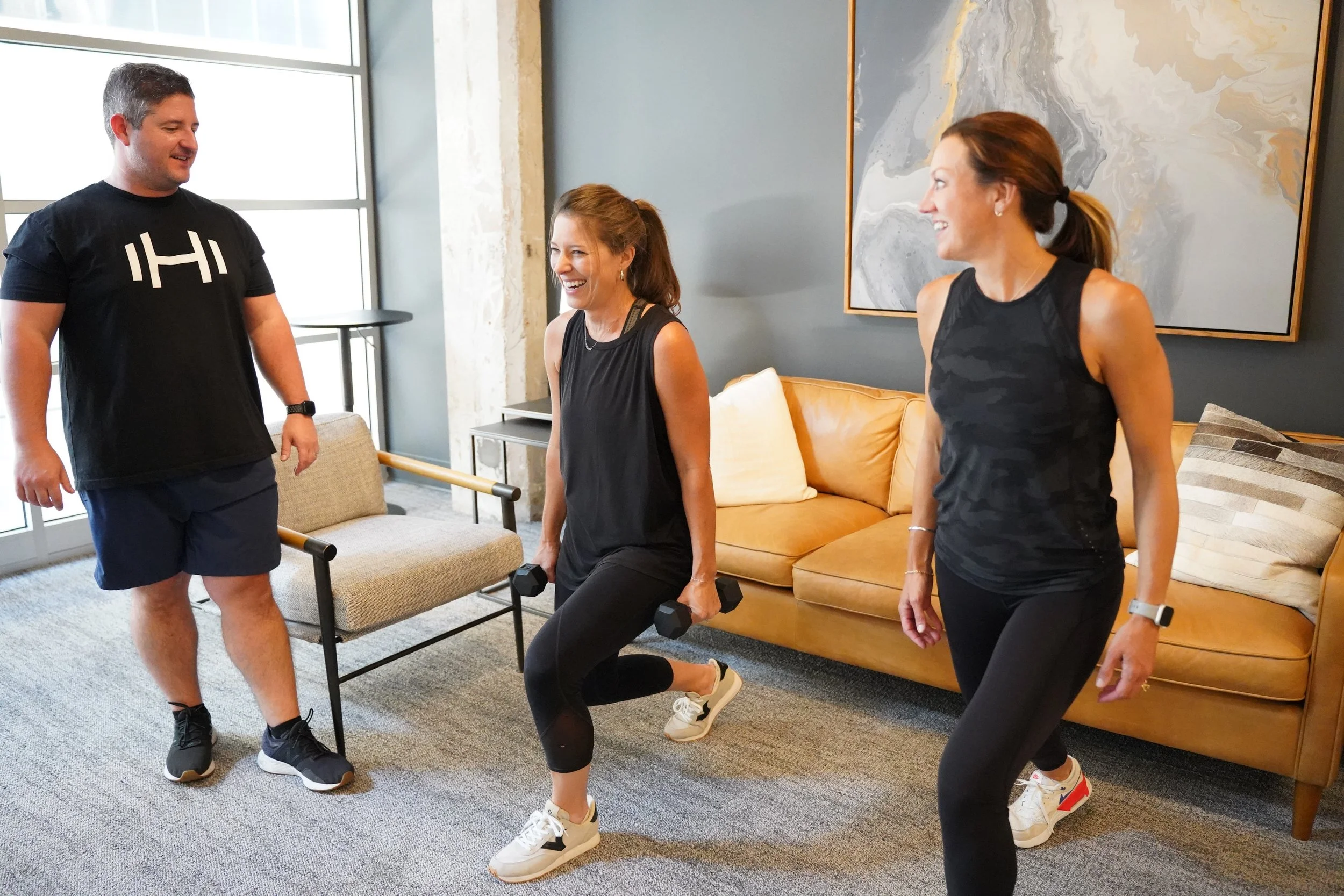
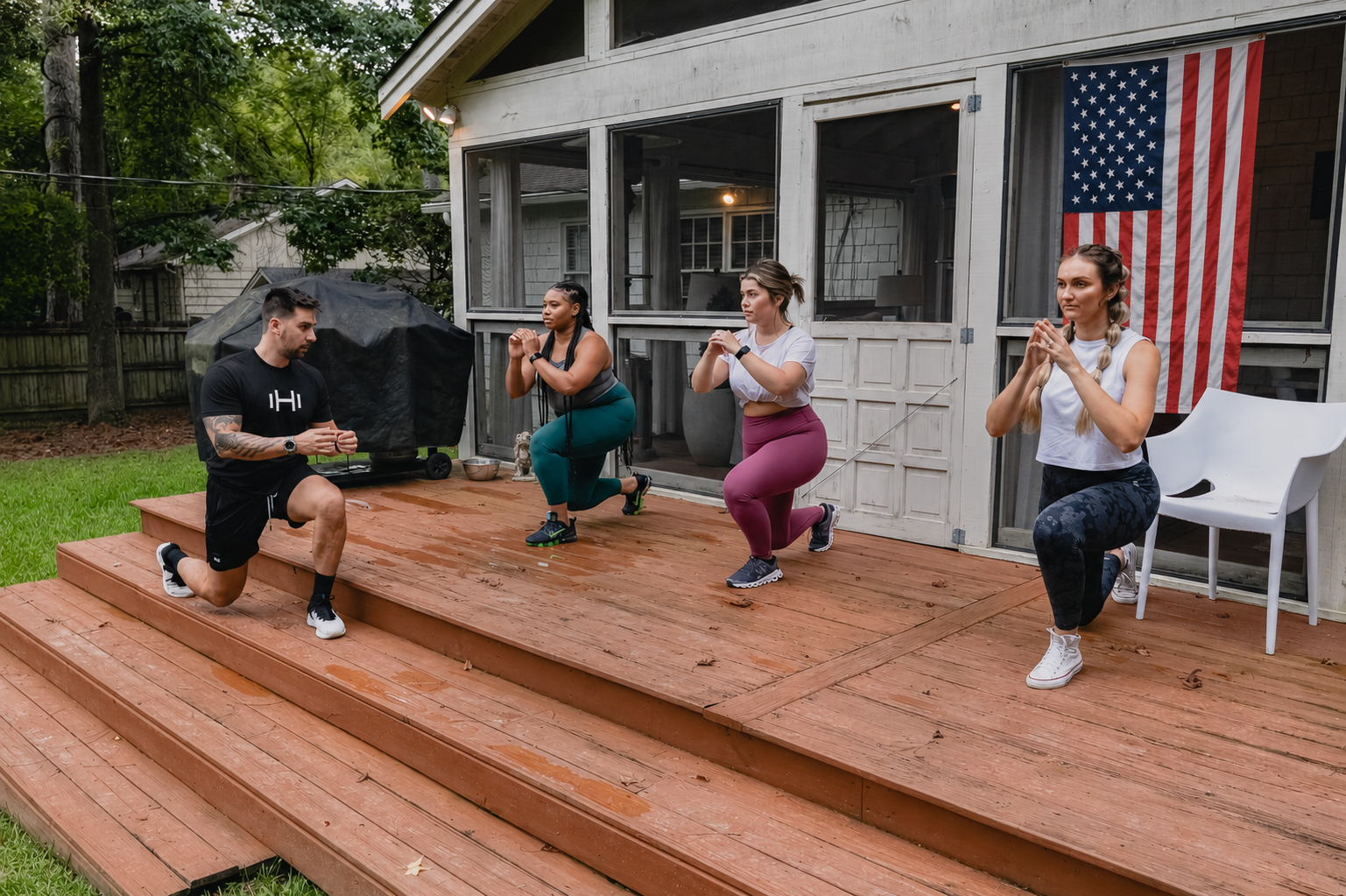
Practicing supported lunges
Combining walking intervals with simple strength exercises
These movements activate some of the body’s largest muscle groups, including the legs, back, chest, shoulders, and core. They can be adjusted for beginners, active adults, older adults, people returning to exercise, and clients managing joint limitations or other health concerns.
The American Diabetes Association recommends resistance exercise two to three times per week on nonconsecutive days for many adults with diabetes, although the right plan depends on the individual’s health, medications, fitness level, and medical guidance.

Walking Still Matters
Strength training does not replace walking, cardiovascular exercise, nutrition, medication, sleep, or medical care. It works alongside them.
A short walk after a meal can be particularly useful because your muscles are active while glucose from the meal is entering your bloodstream. Research suggests that post-meal activity can help reduce post-meal glucose elevations in people with type 2 diabetes.
A practical routine might include two or three weekly strength sessions, short walks following meals when appropriate, and movement breaks during long periods of sitting.
The goal is not to choose between walking and weights. The goal is to create a realistic combination that you can repeat.
The Trending Fitness Strategy That Does Not Require an Hour
One of the most useful ideas in current fitness research is the exercise snack. Despite the name, it has nothing to do with food.
An exercise snack is a very short burst of purposeful movement performed during the day. It might be one to five minutes of chair squats, marching, stair climbing, resistance-band rows, wall push-ups, or brisk walking.
Short movement breaks are especially relevant for people who spend much of the day at a desk, in meetings, driving, or working from home. The American Diabetes Association’s 2026 standards recommend interrupting prolonged sitting at least every 30 minutes. Brief periods of slow walking or simple resistance exercises can support glucose metabolism.
Emerging research is also examining how real-world exercise snacks may help reduce post-meal glucose elevations and glucose variability in people with type 2 diabetes.
This does not mean every person needs to set an alarm every 30 minutes. It means movement does not have to happen in one uninterrupted 60-minute workout to count.
You can accumulate it throughout your day.
A Simple Blood Sugar-Friendly Movement Formula
A HOMEFIT trainer can personalize your program, but a beginner-friendly session might follow this general structure:
1. Start with five minutes of movement
Walk through your home, march in place, practice gentle mobility exercises, or complete a few controlled sit-to-stands.
2. Train the major muscle groups
Choose four to six exercises targeting the legs, back, chest, shoulders, arms, and core. Depending on your experience, you might use light dumbbells, resistance bands, bodyweight, or a combination.
3. Add a short walking interval
Walk around your home, use a hallway, step in place, or take a brief outdoor walk when the weather and environment are appropriate.
4. Repeat at a manageable pace
The workout should challenge you without sacrificing your form, balance, or ability to recover.
5. Finish with a realistic next step
Your trainer might help you plan a short walk after dinner, a two-minute movement break between meetings, or one additional strength session later in the week.
A sustainable routine is more valuable than an exhausting workout that you never want to repeat.
Why an In-Home Personal Trainer Can Make Consistency Easier
Knowing that exercise is beneficial does not automatically make it easy to fit into your life.
A busy professional commuting between Franklin and Downtown Nashville may not have another hour to spend driving to a gym. A parent in Madison may already be balancing school schedules, work responsibilities, practices, and family commitments. Someone living in a Downtown Birmingham apartment may have access to a fitness center but feel unsure about which exercises to perform.
An in-home personal trainer removes several of those barriers.
HOMEFIT trainers can bring dumbbells, kettlebells, resistance bands, agility equipment, yoga mats, and other training tools directly to your home or preferred location. Sessions can also take place in an apartment gym, office fitness center, private community facility, or other appropriate space.
Your trainer can help you:
Choose exercises that match your current ability
Learn safe and effective movement patterns
Progress without doing too much too quickly
Build a routine around your schedule
Combine strength training with walking and mobility
Stay accountable when motivation fluctuates
Adjust sessions around available space and equipment
You do not need a dedicated home gym. A living room, home office, garage, patio, apartment fitness room, or small open area may be enough.
From Continuous Glucose Monitors to Muscle Health
Continuous glucose monitors have made more people curious about how food, sleep, stress, and exercise affect their individual glucose patterns. Those devices can provide useful information when they are medically appropriate, but the goal should not be to chase a perfectly flat line or become anxious about every small change.
Instead, glucose data can be viewed as one part of a much larger picture.
A workout that works well for one person may affect another person differently. Exercise responses can vary based on workout intensity, meal timing, medications, insulin use, sleep, stress, and current glucose levels. People using insulin or medications that can cause low blood sugar may need to check their glucose and coordinate exercise decisions with their healthcare provider.
A personal trainer does not diagnose diabetes, prescribe medication, or replace medical care. The trainer’s role is to help turn your healthcare team’s recommendations into a safe, practical, and repeatable movement plan.

Local Personal Training Without the Gym Commute
HOMEFIT provides in-home and on-location personal training across Alabama, Tennessee, Florida, Texas, and Oregon. Current service-area pages include every HOMEFIT market listed below.
In the Birmingham area, trainers work with clients throughout Birmingham, Downtown Birmingham, Southeast Birmingham, Homewood, Hoover, Mountain Brook, and Vestavia Hills. That may mean training before work near Innovation Depot or Railroad Park, fitting in a session at an apartment gym downtown, or exercising at home along the Highway 280 corridor. Birmingham-area landmarks and trails include Vulcan Park, Railroad Park, and the Red Rock Trail System.
Across Alabama, HOMEFIT also serves Auburn, Huntsville, Madison, and Fairhope. Clients might be preparing for a busy Auburn weekend near Toomer’s Corner and Jordan-Hare Stadium, balancing work in Huntsville’s Research Park, living near Toyota Field in Madison, or enjoying an active retirement near the Fairhope Pier and Mobile Bay.
In Tennessee, HOMEFIT serves Nashville, Downtown Nashville, East Nashville, Brentwood, Franklin, Murfreesboro, and Chattanooga. Your session might happen before an evening downtown near Broadway, at home near Shelby Park in East Nashville, around a demanding workday in Brentwood or Franklin, or between family responsibilities in Murfreesboro. Local movement can also continue outdoors along Crockett Park’s trails, the Murfreesboro Greenway, or the Chattanooga Riverwalk when appropriate.
HOMEFIT trainers also serve Georgetown, Texas; Medford, Oregon; and 30A/Santa Rosa Beach, Florida. That means personalized training can fit into life near Georgetown’s historic square and San Gabriel Park, throughout Medford and the Rogue Valley, or in a Santa Rosa Beach home near Gulf Place, Grayton Beach, or Scenic Highway 30A.
The scenery changes, but the purpose remains the same: make personalized movement easier to access and easier to maintain.
Your Muscles Are a Metabolic Ally
Exercise is not a replacement for your physician, diabetes educator, registered dietitian, medication, or individualized treatment plan. It is one valuable part of a larger approach to health.
The encouraging news is that you do not need a complicated workout to begin using your muscles more consistently. A few foundational strength exercises, a short post-meal walk, or regular movement breaks can become meaningful building blocks.
HOMEFIT makes those building blocks easier to put into practice by bringing personalized training directly to you.
Get the HOMEFIT Experience
Start with a complimentary phone consultation so the HOMEFIT team can learn about your goals, preferences, schedule, current fitness level, and training environment.
You will then be matched with a HOMEFIT trainer who can create an individualized plan for your needs. HOMEFIT currently offers a complimentary personal training or yoga session as part of the introductory experience.
No crowded gym. No wasted commute. No one-size-fits-all workout.