Pickleball-Ready: How to Train for Better Movement, More Power, and Fewer Injuries
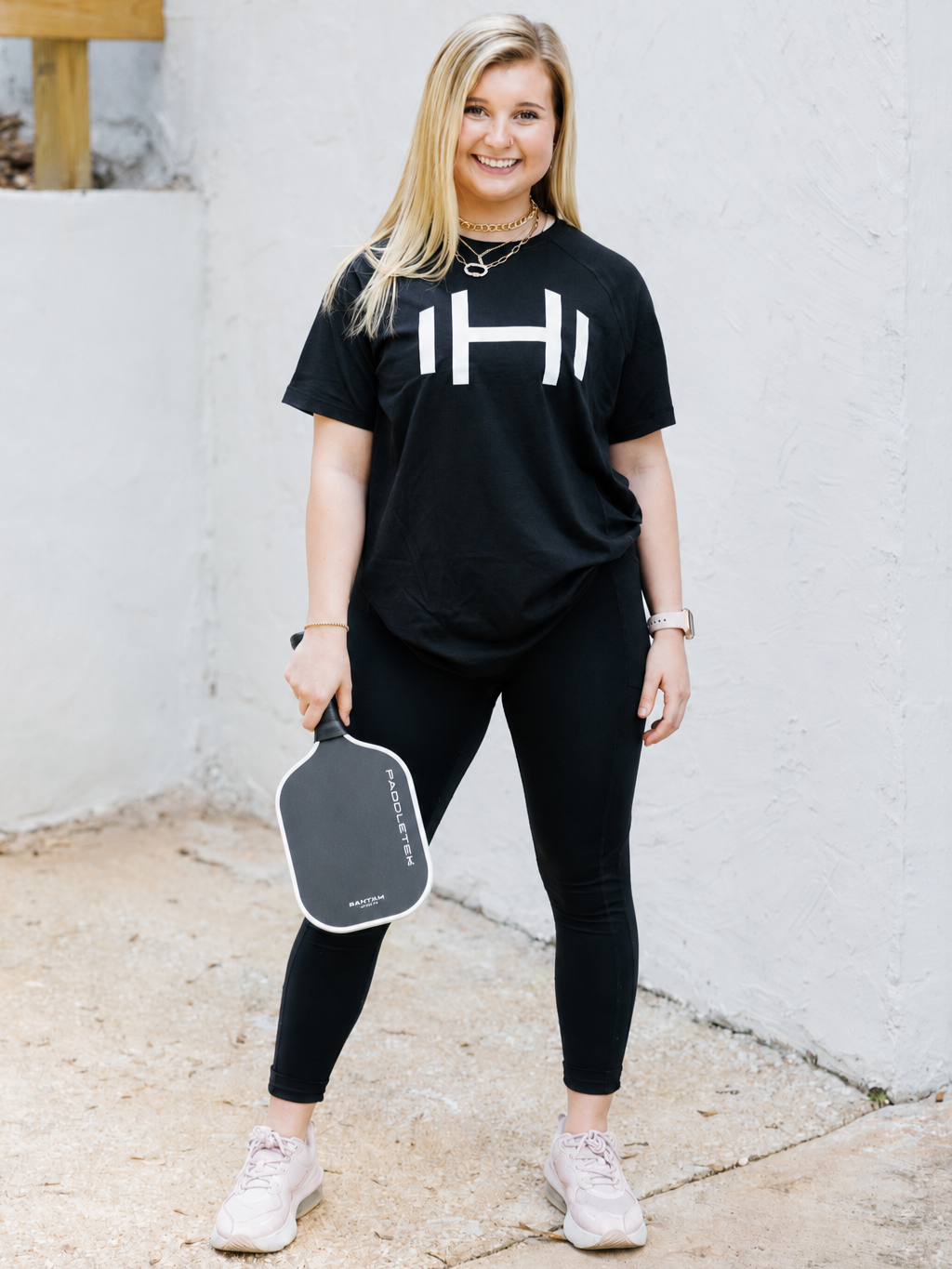
Pickleball may look relaxed from the sidelines, but anyone who has chased down a short ball, changed direction near the kitchen line, or played several games in a row knows the truth: pickleball can be deceptively demanding.
The court may be smaller than a tennis court, but the game still requires quick reactions, lateral movement, balance, coordination, rotational strength, and the ability to stop and start without losing control. As more adults pick up a paddle, sports medicine professionals are also seeing strains, joint pain, falls, and overuse injuries—especially among new players who increase their playing time faster than their bodies can adapt.
Whether you play in Birmingham, Nashville, Huntsville, Murfreesboro, Georgetown, Medford, or along 30A, your best pickleball strategy may begin before you ever step onto the court.
Pickleball Is a Sport—Your Body Should Train for It
One reason pickleball is so popular is that it feels approachable. You do not need years of experience to enjoy a game, and the social atmosphere makes it easy to keep coming back.
That accessibility can also create a false sense that no preparation is needed.
Players still need enough lower-body strength to stay low, enough balance to reach for a shot safely, and enough endurance to maintain good movement as fatigue sets in. When those qualities are missing, players may compensate by reaching too far, twisting abruptly, or placing extra stress on the knees, shoulders, elbows, ankles, and lower back.
Playing more pickleball can improve your pickleball skills. However, playing alone may not correct the strength, mobility, or stability gaps that make movement less efficient.
That is where personalized strength and conditioning can make a difference.
The “Weekend Pickleball Warrior” Problem
The pickleball version of the weekend warrior often looks like this:
You sit for most of the workweek, then arrive at the court on Saturday and play for two or three hours because the games are competitive, social, and difficult to leave.
Your mind may be ready for another match. Your calves, shoulders, hips, and connective tissues may not be.
A sudden jump in activity can be especially challenging for beginners, returning athletes, and adults who have not recently trained for quick changes of direction. Sports medicine guidance consistently emphasizes gradually increasing activity rather than going from very little movement to frequent, intense play.
For players in busy areas such as Brentwood, Franklin, Mountain Brook, Vestavia Hills, Hoover, Madison, and Round Rock, a structured in-home training plan can help build the physical foundation that recreational play alone may not provide.
The Five Physical Skills Every Pickleball Player Needs
1. Lateral Strength
Pickleball involves frequent side-to-side movement, especially near the kitchen line. Your hips, glutes, thighs, and ankles must work together to move quickly without allowing your knees to collapse inward or your balance to disappear.
Useful exercises may include:
Lateral lunges
Banded side steps
Side shuffles
Single-leg step-downs
Controlled skater steps
The goal is not simply to move faster. It is to produce force, absorb force, and remain controlled when moving in either direction.
2. Deceleration: Training Your Brakes
Many players train their ability to move toward the ball but rarely train their ability to stop.
Deceleration is your body’s braking system. It helps you slow down, plant your feet, and regain control before changing direction. Without it, momentum can carry you too far forward or place unnecessary strain on the knees and ankles.
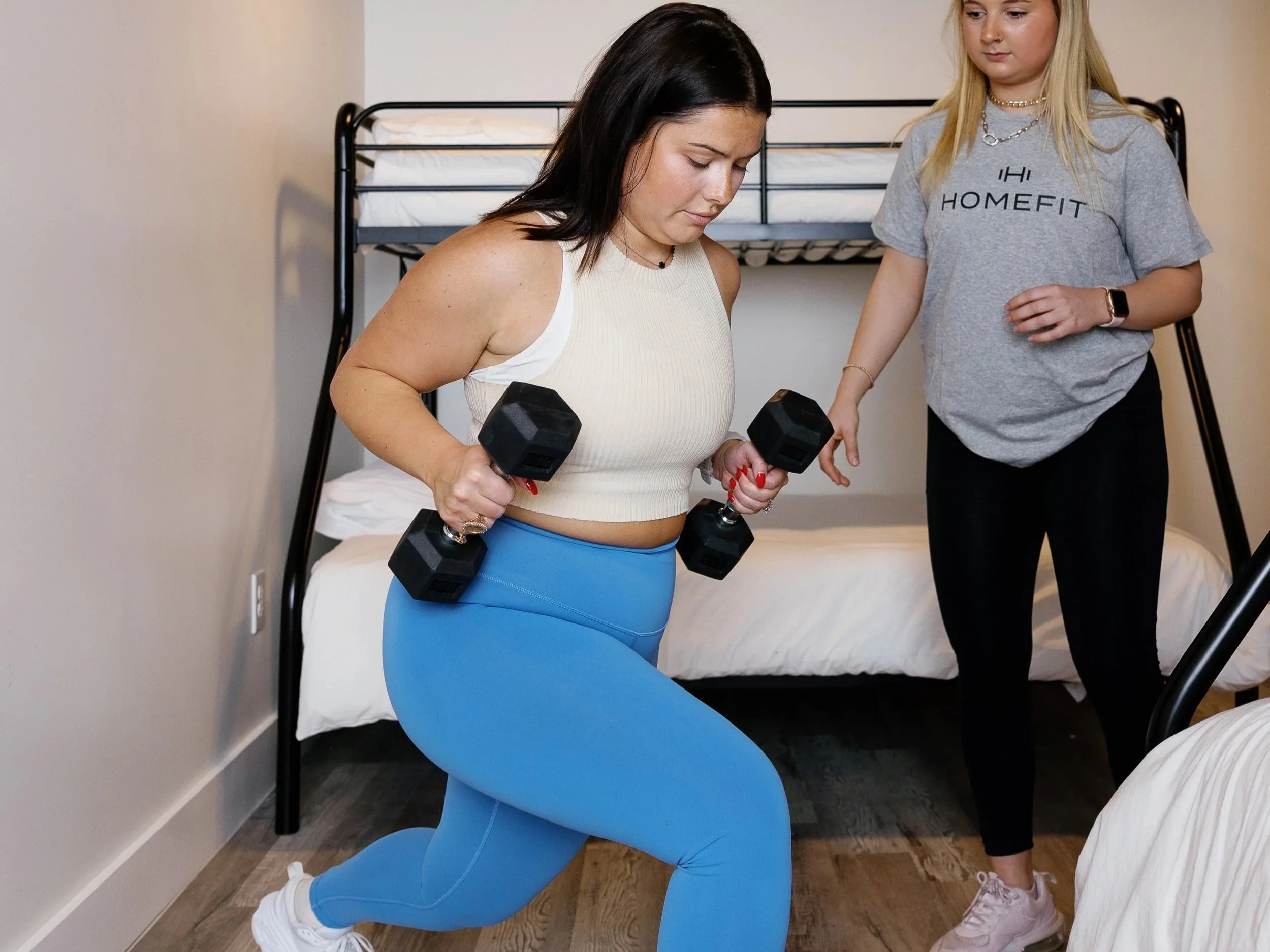
A HOMEFIT personal trainer may use controlled step-downs, split-stance holds, reverse lunges, short acceleration-and-stop drills, and directional movements to improve this skill.
You do not only need a faster first step. You need a safer final step.
3. Rotational Strength Without Over-Twisting
Dinks, drives, serves, and volleys all involve some degree of rotation. But when the hips and core do not contribute effectively, the shoulder, elbow, or lower back may take on more of the workload.
Exercises such as resistance-band rotations, Pallof presses, medicine-ball patterns, rows, and controlled core work can help the torso transfer force more efficiently.
This is particularly valuable for players dealing with recurring back tightness or arm fatigue. The answer is not always to swing harder. Sometimes it is to create more power from the ground up.
4. Balance and Reach Control
Pickleball constantly places players in positions where they must reach outside their normal base of support.
Good balance helps you respond to the ball without falling forward, crossing your feet awkwardly, or relying on a last-second step to stay upright. Balance training can include single-leg holds, offset carries, toe taps, supported reaches, and uneven-stance strength exercises.
For active adults and senior pickleball players, this is not only about improving the game. It can also support greater confidence during everyday movement.
5. Court-Specific Endurance
Pickleball does not usually require one long, continuous effort. It demands repeated short bursts of movement followed by brief pauses.
That means your cardio training should reflect the sport.
Instead of relying only on long-distance running, players may benefit from:
Incline walking intervals
Low-impact cardio circuits
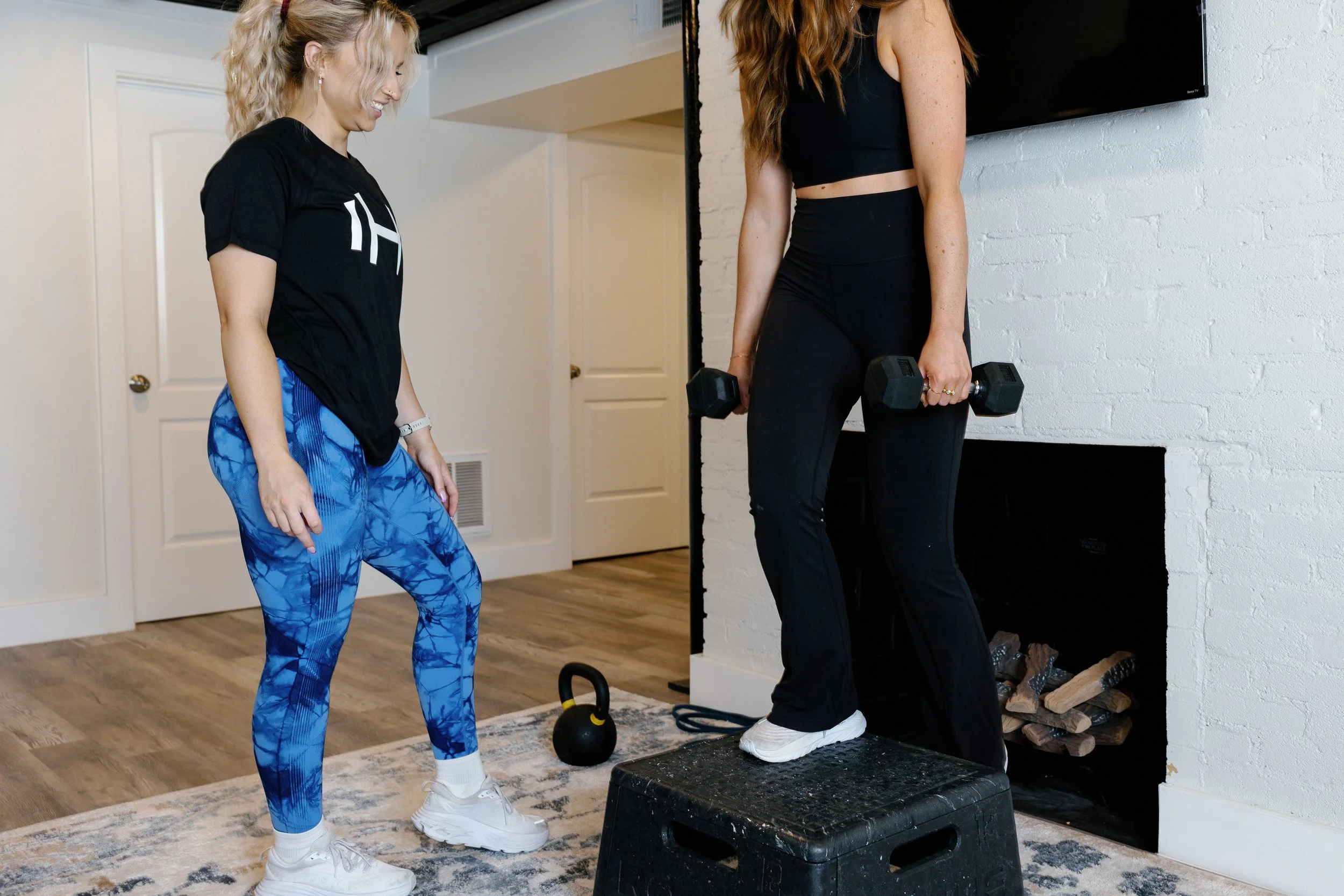
Step-ups
Short lateral movement drills
Fast-paced strength circuits
Work-and-recovery intervals
This approach can help players maintain better footwork and decision-making as matches continue.
Stop Calling a Five-Minute Rally a Warm-Up
Showing up and lightly hitting the ball is not always enough to prepare your body for sudden movement.
A pickleball warm-up should gradually increase your heart rate and prepare the joints and muscles you are about to use. Sports medicine experts recommend dynamic movement before play rather than immediately dropping into long, passive stretches.
A simple pre-game warm-up might include:
Brisk walking or marching
Ankle rocks and calf raises
Arm circles and shoulder movements
Bodyweight squats
Lateral steps
Controlled lunges
Short practice movements in multiple directions
The goal is to feel warm, mobile, and alert—not tired before the first serve.
Pickleball Elbow Is Not Just About the Elbow
Pain near the elbow can be influenced by more than the paddle itself. Grip tension, repetitive swinging, shoulder weakness, poor recovery, and rapidly increasing play time may all contribute to irritation.
Strengthening the upper back, shoulders, forearms, and grip can help create better support throughout the entire chain. Technique, paddle size, and equipment selection may matter as well, so persistent pain should be evaluated by an appropriate healthcare professional.
Ignoring discomfort until it changes your swing is not a training strategy.
Your Court Shoes Matter
Running shoes are designed primarily for forward movement. Pickleball requires frequent lateral movement, stopping, and changing direction.
Court-specific shoes generally provide greater side-to-side support and traction for this type of activity. Medical guidance also recommends appropriate footwear and checking the court for hazards before playing.
More Games Are Not Always More Progress
One of the easiest ways to overdo pickleball is to lose track of how much you are playing. The social environment makes it easy to stay for “one more game” several times.
But your body still needs recovery.
Signs you may need to adjust your playing schedule include:
Pain that worsens as you continue
Persistent stiffness the next day
Reduced range of motion
A noticeable change in your stride or swing
Unusual fatigue
Needing several days to feel normal again
Recovery does not necessarily mean doing nothing. Walking, mobility work, light strength training, hydration, adequate nutrition, and quality sleep can all support your return to the court.
Do Not Wait for an Injury to Start Training
Many people hire a trainer after pain has already interrupted the activity they enjoy. A smarter approach is to prepare the body before a problem develops.
HOMEFIT’s in-home personal training can help pickleball players improve:
Lower-body strength
Lateral movement
Balance and stability
Mobility
Core control
Rotational power
Cardiovascular endurance
Recovery habits
Every program is tailored to the individual. A newer player in Medford may need a different plan than a competitive player in Nashville. An active adult in Georgetown may need a different starting point than someone returning to exercise in Birmingham or Huntsville.
The goal is not to turn every recreational player into a professional athlete. It is to help you keep playing the game you enjoy with more confidence, control, and durability.
Train at Home. Play Better on the Court.
You do not need a full commercial gym to prepare for pickleball.
With resistance bands, dumbbells, agility markers, a step, and enough room to move safely, your HOMEFIT trainer can create a customized pickleball fitness program in your home, apartment gym, workplace, or preferred training space.
HOMEFIT currently serves communities across Alabama, Tennessee, Texas, Florida, and Oregon, including Birmingham, Huntsville, Auburn/Opelika, Fairhope, Nashville, Brentwood, Franklin, Murfreesboro, Chattanooga, Georgetown, Round Rock, 30A/Santa Rosa Beach, Pensacola, and Medford.
Stay in the Game
Pickleball is supposed to be fun, social, and energizing—not something that leaves you sidelined for weeks.
The best time to build stronger legs, better balance, improved mobility, and greater court endurance is not after something starts hurting. It is before your next competitive Saturday morning.