Zone 0 Training Is Trending: Does Easy Movement Actually Count as Exercise?

For years, fitness trends have focused on doing more: lifting heavier, running faster, tracking higher heart rates, hitting more steps, and squeezing more intensity into every workout. Now, one of the newest fitness trends is moving in almost the opposite direction. It is called Zone 0 training, and the idea is surprisingly simple: some of the movement you do does not need to feel like a workout at all.
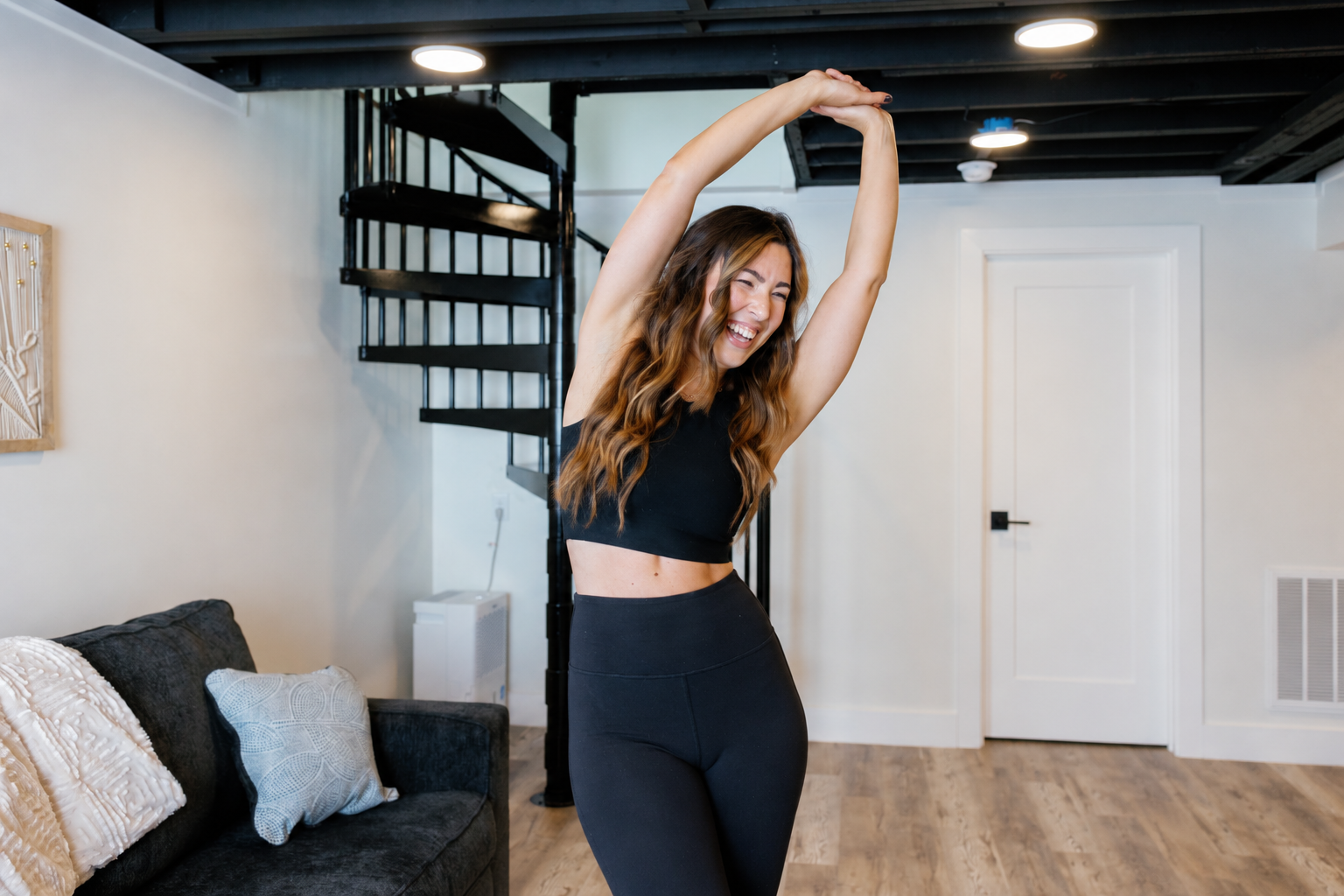
Zone 0 training has recently started gaining attention as an ultra-low-intensity approach to movement. Walking at an easy pace, doing gentle mobility work, stretching, light cycling, gardening, or simply moving around instead of sitting can all fall into this category. Recent fitness coverage has highlighted Zone 0 as a growing 2026 trend, particularly as more people look for ways to balance structured workouts with recovery, mobility, longevity, and sustainable daily movement.
But does movement this easy actually count as exercise? The answer requires a little context. Zone 0 is not a replacement for strength training, cardiovascular exercise, or a well-designed fitness program. It also is not a formally standardized heart-rate zone in the same way people commonly talk about Zone 2 cardio. What it can be, however, is another useful piece of a more complete approach to fitness.
What Is Zone 0 Training?
Zone 0 training describes very light physical activity performed at an intensity that feels almost effortless. You should generally be able to breathe comfortably, carry on a full conversation, and finish the activity without feeling noticeably fatigued. Instead of trying to increase your heart rate or push your physical limits, the goal is simply to move.
That could mean taking a relaxed walk after dinner, spending ten minutes on mobility exercises between meetings, casually riding a bike with your family, stretching while watching television, doing yard work, or walking around during a phone call. The term itself may be new, but the movement certainly is not. What has changed is that fitness culture is beginning to pay more attention to everything that happens between traditional workouts.
This is one reason Zone 0 training is interesting. It challenges the idea that movement only “counts” when you are sweating, tracking calories, or completing a formal workout. For someone with a demanding schedule, a person getting back into exercise, or even an experienced exerciser on a recovery day, very light movement can have a place in the bigger picture.
Why Is Zone 0 Training Trending Now?
Zone 2 cardio has dominated fitness conversations over the last several years, especially among people interested in cardiovascular health, endurance, recovery, and longevity. Zone 0 takes the low-intensity conversation another step further by emphasizing movement that is even easier.
That timing makes sense. Wearable fitness trackers have made heart-rate zones, recovery scores, sleep data, step counts, and daily activity more visible than ever. At the same time, more people are questioning whether every workout needs to be intense to be worthwhile. The growing interest in mobility training, active recovery, walking workouts, functional fitness, and healthy aging has created room for a trend like Zone 0.
There is also a practical reason it is catching on. Many people do not struggle because they lack access to the hardest workout possible. They struggle because exercise becomes difficult to fit consistently into real life. Workdays run long, family schedules change, sleep is not always perfect, travel happens, and some days simply do not leave room for an hour-long workout. Very light physical activity gives people another way to remain active without treating every imperfect day as a missed opportunity.
Does Easy Movement Really Have Health Benefits?
The idea that light movement can be beneficial is not dependent on the Zone 0 name. Research has been looking at light-intensity physical activity for years.
A systematic review and meta-analysis examining light physical activity found that replacing prolonged sitting with frequent bouts of light movement may support cardiometabolic health, including improvements in post-meal glucose and insulin responses. Other research using activity monitors has found an association between higher amounts of light physical activity and lower mortality risk, although researchers also emphasize that moderate-to-vigorous activity provides important additional benefits.
That does not mean a slow stroll should suddenly replace your workouts. It means there is value in thinking beyond the workout itself. The hour you spend exercising matters, but so can what you do during the many other hours of your day.
The current Physical Activity Guidelines for Americans reinforce this broader idea with a simple message: move more and sit less. For the greatest health benefits, adults are still encouraged to complete 150 to 300 minutes of moderate-intensity aerobic activity each week along with muscle-strengthening activity on at least two days. Very light activity can support an active lifestyle, but it should generally complement rather than completely replace more intentional exercise.

Zone 0 vs. Zone 2: What Is the Difference?
Because the names sound similar, Zone 0 and Zone 2 training can easily get confused. They serve different purposes.
Zone 2 cardio is typically an intentional cardiovascular workout performed at a relatively comfortable but sustained effort. You are working, your heart rate is elevated, and the session is designed to challenge your aerobic system without pushing you into very high intensity. Depending on the person, Zone 2 might include brisk walking, jogging, cycling, rowing, or another continuous cardiovascular activity.
Zone 0 is easier. Think casual walk rather than brisk walk, gentle movement rather than cardio session, and active recovery rather than aerobic training. There is no universally accepted Zone 0 heart-rate formula, which is another reason not to become overly focused on a specific number from a smartwatch. The easiest way to understand it is movement that feels comfortable enough that you could continue without feeling like you are “working out.”
The two do not have to compete. A well-rounded fitness routine may include strength training, cardiovascular work, harder conditioning when appropriate, mobility, and very light activity throughout the week. The right combination depends on the individual.
Where Zone 0 Can Fit Into a Real Fitness Routine
One of the best uses for Zone 0 may be on the days surrounding your structured workouts. If you completed a challenging strength training session yesterday, an easy walk and some gentle mobility today may keep you moving without adding another demanding training session. If you spend most of your workday at a desk, short periods of easy movement can also break up long stretches of sitting.
Zone 0 can be especially approachable for beginners because there is such a low barrier to entry. Starting a fitness routine can feel intimidating when every example online seems to involve intense workouts, complicated equipment, or people already performing at an advanced level. Beginning with manageable movement can help establish the habit of being active while gradually building toward a more complete exercise program.
It may also be useful during especially busy periods. A ten-minute walk between meetings is not the same stimulus as a full personal training session, and it does not need to be. Fitness does not have to become an all-or-nothing decision where anything short of the perfect workout is considered pointless.
Where Zone 0 Falls Short
The popularity of a fitness trend can sometimes turn a useful idea into an exaggerated one. Zone 0 is a good example of why context matters.
Walking slowly and moving more throughout the day can absolutely have a place in an active lifestyle, but very light movement alone does not provide the same muscular challenge as resistance training or the same cardiovascular stimulus as moderate and vigorous aerobic exercise. If your goals include gaining strength, preserving muscle, improving athletic performance, changing body composition, increasing cardiovascular fitness, or becoming more physically capable, your program will typically need more than Zone 0.
This is particularly important as people begin searching for “Zone 0 workouts” and trying to determine whether they can replace traditional exercise entirely. The better question is not whether Zone 0 is better than strength training or cardio. It is how different types of movement can work together.
Strength training develops capabilities that an easy walk cannot. Cardiovascular training creates adaptations that casual movement cannot. Mobility work addresses different needs again. Recovery gives your body the opportunity to respond to those training demands. A personalized fitness program brings those pieces together instead of relying too heavily on whichever fitness trend happens to be popular that month.
The Bigger Trend: Fitness Is Becoming More Personalized
Zone 0 training may be trending, but the larger message behind it could have more staying power. Effective fitness does not always mean doing as much as possible. It means understanding when your body needs to be challenged, when it needs to recover, and what type of movement actually supports your goals.
Two people can follow completely different routines and both be training effectively. Someone beginning an exercise program may need a gradual progression from walking and basic resistance exercises. Someone focused on building muscle may need structured strength training and adequate recovery between sessions. An older adult may prioritize strength, balance, mobility, and maintaining independence, while a busy professional may need a program designed around limited windows of time.
That is also where working with a personal trainer can make a significant difference. A good trainer is not simply there to make every session harder. Personal training should help determine what type of exercise is appropriate, how much intensity is necessary, when to progress, when to recover, and how to create a fitness routine that works outside of the training session too.
So, Should You Try Zone 0 Training?
There is very little downside to finding more opportunities to move throughout the day if that movement is appropriate for you. Take the walk. Stretch for a few minutes. Move between meetings. Spend some time outside. Do an easy mobility session on a recovery day. Those moments do not need to be transformed into intense workouts before they become worthwhile.
Just remember that Zone 0 is one piece of the fitness puzzle, not the entire picture. The goal should not be to find the easiest possible form of exercise or the hardest possible workout. It should be to build a sustainable routine that includes the right amount of strength, cardiovascular exercise, recovery, mobility, and everyday movement for your body and your goals.
Fitness trends will continue to change. The fundamentals of an individualized, consistent approach are much more durable.
Build a Fitness Routine That Fits Your Life With HOMEFIT
Not sure how much strength training, cardio, recovery, or everyday movement belongs in your week? HOMEFIT takes the guesswork out of building a fitness routine by bringing personalized training directly to you. Our certified personal trainers create customized programs based on your goals, fitness level, schedule, experience, and lifestyle, with in-home, onsite, and virtual training options available.
Whether you are starting from the beginning, returning to exercise, or looking for a smarter way to structure the training you already do, HOMEFIT can help you create a plan that is challenging where it needs to be and sustainable where it matters most.
Call HOMEFIT at 855-934-3834 or visit our Contact Us page to submit an inquiry and schedule your FREE phone consultation, plus one personal training or yoga session on US!