GLP-1 Weight Loss Is Changing Fitness: Why Strength Training Matters More Than Ever
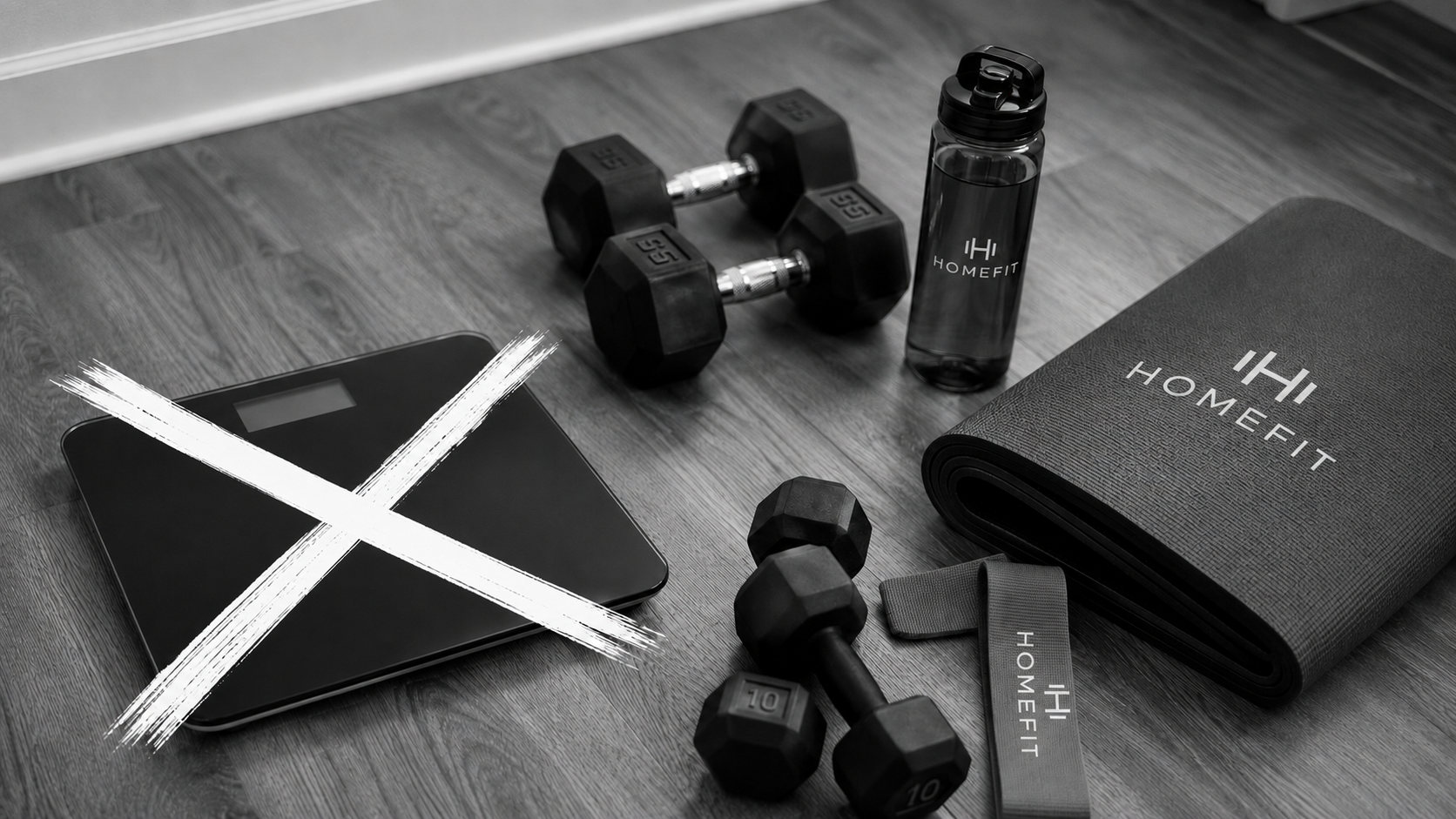
A number on the scale can tell you that your body weight changed, but it cannot tell you whether carrying groceries feels easier, climbing the stairs takes less effort, or picking up your child suddenly feels more manageable. It also cannot tell you whether you are stronger, moving better, or becoming more physically capable.
That distinction is becoming increasingly important as GLP-1 medications reshape weight management in the United States.
Medications such as semaglutide and tirzepatide have changed what is possible for many people managing obesity and excess weight. Their rise has also created an important new conversation in the fitness world: What should exercise look like while someone is losing a significant amount of weight?
In 2026, the American College of Sports Medicine ranked Exercise for Weight Management as the No. 3 worldwide fitness trend—its highest ranking to date. ACSM specifically points to the growth of medications such as GLP-1 receptor agonists and emphasizes the role structured exercise can play in supporting metabolic health, physical function, and lean-mass preservation.
In other words, weight-loss medication has not made fitness less relevant. In many ways, it may have made thoughtful, personalized fitness programming more relevant than ever.
GLP-1 Medications and Exercise Are Not Opponents
There is a tendency in health and fitness to turn everything into opposing sides: medication versus lifestyle, cardio versus strength training, gym workouts versus home workouts, or weight loss versus body acceptance. That kind of either-or thinking is not particularly helpful when it comes to GLP-1 medications and exercise.
For people who have been appropriately prescribed a GLP-1 or similar medication by their healthcare provider, medication and exercise do not have to compete with one another because they serve different purposes.
GLP-1-based medications can affect appetite, food intake, blood sugar regulation, and body weight. Exercise, meanwhile, can improve strength, cardiovascular fitness, mobility, balance, endurance, and physical function—many of the things a scale cannot measure.
A 2025 clinical article in JAMA Internal Medicine emphasized that lifestyle behaviors continue to matter during GLP-1 treatment and recommended both regular aerobic activity and resistance training. Practical guidance included gradually working toward 150 minutes of moderate activity each week and incorporating strength training two to three times per week.
So instead of asking, “Do GLP-1 medications work, or should I exercise?” a much more useful question is: “If my body weight is changing, how do I make sure my fitness is moving forward too?”
Weight Loss and Fat Loss Are Not Exactly the Same Thing
This is where the conversation becomes more nuanced.
When someone loses a meaningful amount of body weight—whether through changes in nutrition, medication, surgery, or another method—not every pound necessarily comes from body fat. Some loss of lean mass commonly occurs during weight loss.
Lean mass is sometimes casually described as muscle, but the two terms are not identical. Lean mass also includes water, organs, connective tissue, and other non-fat tissue. Researchers are still working to understand exactly how changes in lean mass during GLP-1 treatment translate into changes in skeletal muscle and long-term physical function, and ACSM has specifically cautioned against treating “lean mass” and “muscle mass” as interchangeable.
At the same time, preserving lean tissue has become a legitimate focus of GLP-1 research.
A 2026 systematic review and meta-analysis involving 20 randomized controlled trials and 15,782 participants found that lean mass represented approximately 25% to 39% of total weight lost with incretin-based therapies in the studies analyzed. Interestingly, the proportion of lean mass lost was broadly comparable to what is seen with lifestyle-based weight loss. The most favorable results appeared when lifestyle interventions included resistance training, where lean mass represented a smaller proportion of total weight loss.
That does not mean “GLP-1s make you lose muscle,” which is an oversimplification you may see online. A better takeaway is that significant weight loss can include losses in lean tissue, and resistance training may help support a more favorable body-composition outcome.
A Lower Number on the Scale Is Not the Only Goal
Imagine two people each lose 30 pounds.
One reaches the lower number on the scale but has not exercised consistently in months. The other reaches a similar weight while strength training, walking regularly, improving balance, practicing fundamental movement patterns, and gradually increasing what their body can do.
The scale may show a similar result, but their fitness journeys could look completely different.
That is why the GLP-1 era may eventually change how we define a successful weight-loss journey. Instead of focusing only on, “How much weight did I lose?” it may make more sense to ask whether you are getting stronger, moving more comfortably, improving your stamina, maintaining physical function, and developing habits that you can continue long term.
Those measurements matter at any weight, and they become especially valuable when body weight is changing quickly.
Why Strength Training Matters During GLP-1 Weight Loss
Strength training is not just bodybuilding, and you do not need to chase a six-pack, train for a powerlifting competition, or fill your garage with equipment to benefit from it.
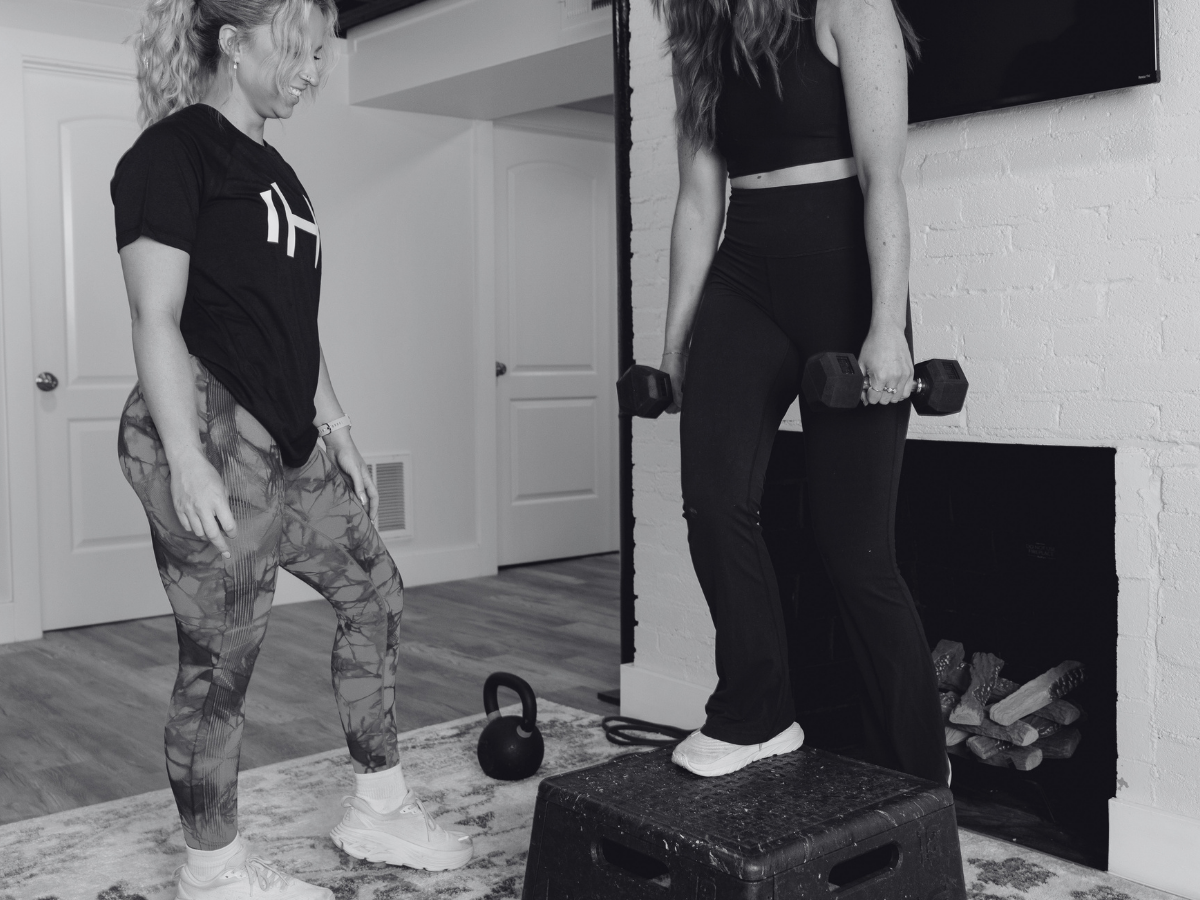
Resistance training simply asks your muscles to work against resistance, whether that comes from dumbbells, resistance bands, kettlebells, body weight, cable machines, or other equipment. A thoughtfully designed strength-training program can include fundamental movements such as squatting, hinging, pushing, pulling, carrying, stepping, rotating, and stabilizing.
Those movements also translate directly into daily life. Squats train a pattern you use when sitting down and standing back up. Rows and presses develop upper-body strength. Loaded carries resemble hauling groceries or luggage. Step-ups and lunges challenge leg strength and balance, while hip-hinge movements strengthen areas involved in bending and lifting.
The goal is not simply to burn more calories. It is to make the body more capable.
Current research continues to reinforce the importance of resistance training. ACSM's 2026 fitness trends rank traditional strength training No. 7 worldwide, and the organization also released updated guidance examining resistance-training prescription for muscle function, hypertrophy, and physical performance.
For someone experiencing significant weight loss, developing and maintaining that capability deserves attention alongside the changing number on the scale.
What Research Says About Combining Exercise With GLP-1 Therapy
There is already evidence suggesting that combining exercise with GLP-1 therapy may have advantages.
One randomized clinical trial examined what happened when exercise was combined with liraglutide, an earlier GLP-1 receptor agonist. After an initial low-calorie diet, participants were assigned to exercise, liraglutide, a combination of the two, or placebo.
The combination group experienced the largest reduction in fat mass while preserving lean mass during the one-year intervention, while the exercise-only group increased lean mass.
That does not mean every person using a GLP-1 medication will experience the same outcome, and newer medications such as semaglutide and tirzepatide continue to be studied. Researchers are actively investigating this question, including through a 2026 randomized-trial protocol called LEAN-PREP, which was designed to examine whether resistance exercise and protein support can help preserve lean mass in people receiving semaglutide or tirzepatide therapy.
The fact that this question is now receiving dedicated clinical research tells us something important: muscle preservation and physical function have become part of the GLP-1 conversation.
Do Not Panic About Every Change in Lean Mass
This is also a topic where social media can make a complicated issue sound much scarier than it is.
You may have seen headlines claiming that GLP-1 medications cause dramatic muscle loss or leave people “skinny fat.” Those statements leave out important context because some loss of lean tissue commonly accompanies intentional weight loss, regardless of how that weight is lost.
Researchers have also pointed out that losing some muscle mass during medically induced weight loss does not automatically mean physical function becomes worse. A 2026 JAMA Network Open study involving more than 3,000 patients found that treatment with semaglutide and tirzepatide was associated with substantial reductions in fat mass, more modest reductions in fat-free mass, and an improved ratio of fat-free mass to fat mass over time.
Other researchers have similarly noted that intentional weight loss can improve physical function and muscle quality even when some skeletal muscle mass is lost.
So this is not a reason to fear GLP-1 treatment or obsess over preventing every ounce of lean-tissue loss. It is a reason to train intentionally and think beyond the scale.
Rather than asking, “How do I make sure my body never loses any lean tissue?” a more useful goal is: “How can I become stronger, maintain physical function, and support my body while my weight changes?”
Your Workout May Need to Change as Your Body Changes
Another mistake someone can make during a significant weight-loss journey is assuming that their old exercise program should continue exactly as written.
As your body changes, your energy levels, movement patterns, exercise tolerance, balance, and strength may change too. The amount of resistance that feels appropriate today might be very different six months from now, and reduced appetite can sometimes affect how energized a person feels during certain workouts.
That makes personalization especially important.
A good GLP-1 workout plan should not be built around the mindset of, “You are losing weight, so now we need to burn even more calories.” For many people, a smarter approach is to focus on strength, movement quality, progressive resistance, mobility, balance, cardiovascular fitness, and consistency.
That is a very different way of approaching exercise for weight management. Instead of using workouts as punishment for eating or as another way to chase the scale downward, the goal becomes improving what your body can actually do.
Why Personal Training Can Be Helpful During Weight Loss
This is one place where personalized training can become particularly valuable.
A generic workout program might tell you to perform three sets of 10 squats. A personal trainer can actually watch those squats and notice whether your knees are tracking well, whether you are shifting toward one side, whether your balance is changing, or whether the resistance you are using is still appropriate.
They can also progress the exercise as your strength improves. Bodyweight squats might eventually become goblet squats. A basic row could gradually become a heavier row, while a supported split squat may eventually progress to an unsupported lunge.
Six months from now, you may be lifting a weight that would have intimidated you when you started. That is meaningful progress, even if a bathroom scale never records it.
HOMEFIT's in-home personal training model also allows that strength work to happen where your life is already happening. You do not have to become a “gym person” simply because you want to become stronger.
A client in Birmingham may train with dumbbells in the living room before work, while someone in Murfreesboro or Franklin may fit strength training between meetings and family obligations. A client in Huntsville or Madison might use resistance bands, kettlebells, and bodyweight exercises at home rather than investing in an entire home gym.
The equipment can remain simple. The programming should be personal.
Protein Is Part of the Conversation Too
You cannot talk about maintaining muscle during weight loss without eventually discussing nutrition.
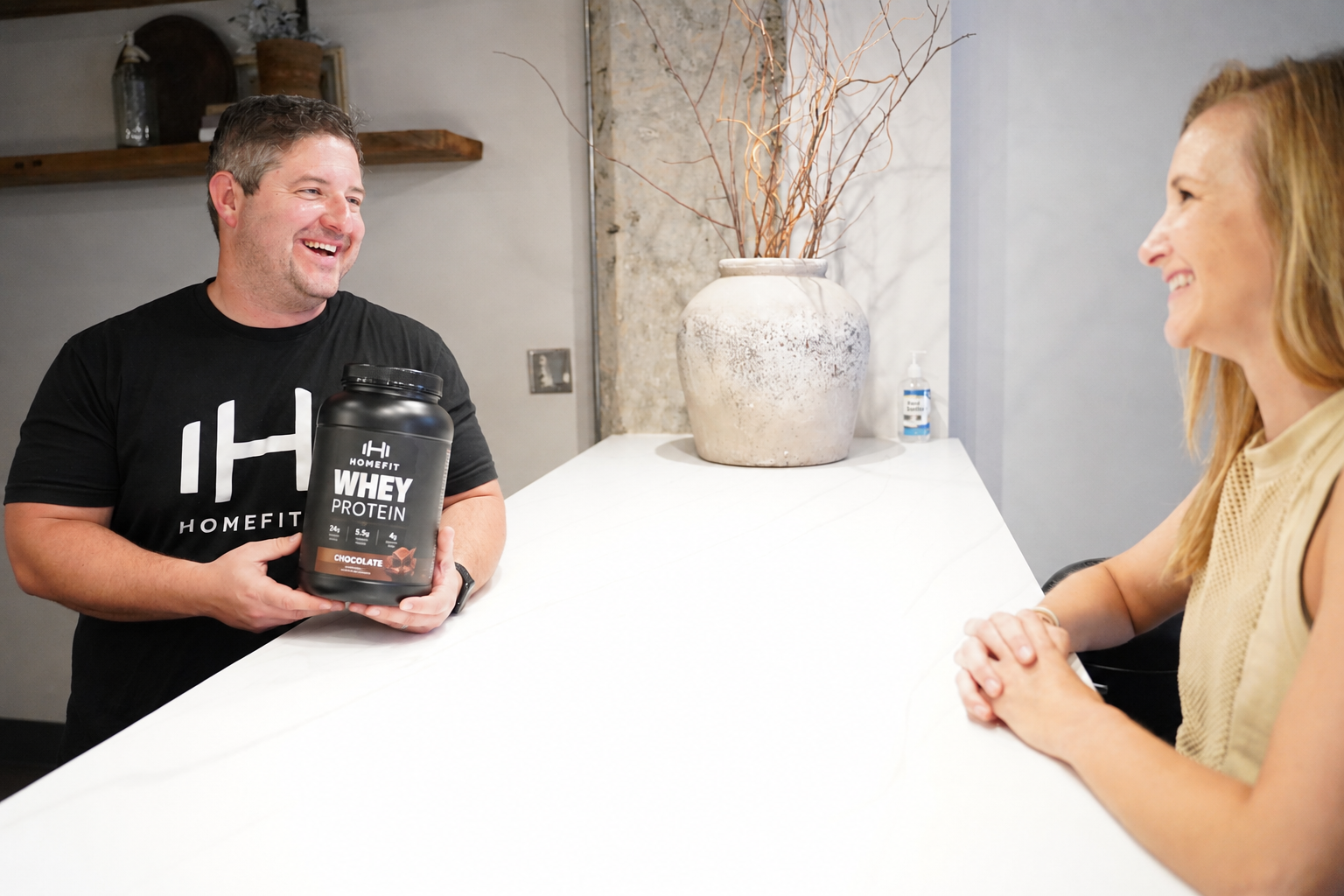
Protein provides amino acids needed for many bodily functions, including the maintenance and repair of muscle tissue. Because GLP-1 medications can reduce appetite, some people may find that eating enough overall, or getting enough protein, is more challenging than it was before treatment.
A 2025 joint advisory highlighted adequate protein intake and strength training among its nutritional priorities for supporting people receiving GLP-1 therapy.
This is also where a fitness blog needs to stay in its lane. A personal trainer can support your exercise program and encourage healthy habits, but individual calorie needs, protein targets, medication management, gastrointestinal symptoms, or nutritional deficiencies should be discussed with the appropriate healthcare professionals, particularly your prescribing clinician and, when appropriate, a registered dietitian.
Your workout plan and your medical treatment plan should complement one another rather than competing for control.
Cardio Still Matters
Strength training deserves special attention in the GLP-1 conversation, but that does not mean cardiovascular exercise suddenly stops mattering.
Walking, cycling, swimming, hiking, recreational sports, interval training, and other aerobic activities can improve cardiovascular fitness and support overall health. The key is not turning every form of movement into another attempt to force the number on the scale downward.
Walking can support cardiovascular health. Strength training can build muscular fitness and physical function. Mobility work can help you move more comfortably, while recreational activities can make exercise something you actually enjoy.
Not every workout has to serve the exact same purpose, and that variety is often what makes a balanced fitness routine more sustainable.
Do Not Let the Scale Become Your Only Progress Report
GLP-1 medications have made meaningful weight loss achievable for some people who may have struggled with weight management for years. That deserves to be discussed without shame, judgment, or fitness-industry gatekeeping.
It also creates an opportunity to think beyond the number.
What if reaching a lower body weight were not the finish line? What if it became the beginning of asking what you want your body to do?
Maybe you want to carry your grandchild comfortably, hike on vacation, feel confident picking up a pair of dumbbells, improve your balance as you age, or make it through a full day of sightseeing without feeling exhausted. Maybe your goal is simply to look back six months from now and realize that everyday tasks feel easier because you are stronger.
None of those goals are measured in pounds, but they are all meaningful measures of progress.
The Future of Weight Management Is Bigger Than Weight Loss
One of the most interesting changes happening in fitness is that the conversation is slowly shifting from weight loss toward weight management and physical function.
Even ACSM changed the name of one of its major trends from “Exercise for Weight Loss” to “Exercise for Weight Management,” reflecting a broader view that includes weight loss, maintenance, health, and long-term function.
That change feels especially appropriate in the GLP-1 era.
A medication may help change your appetite, body weight, or relationship with food, but there are some adaptations you still have to train for. Strength is one of them. Endurance, balance, movement confidence, and the ability to comfortably use your body in everyday life are others.
Ready to add an in-home workout to your day-to-day? Contact us today to receive a COMPLIMENTARY consultation and get a yoga session for fitness session on us!